

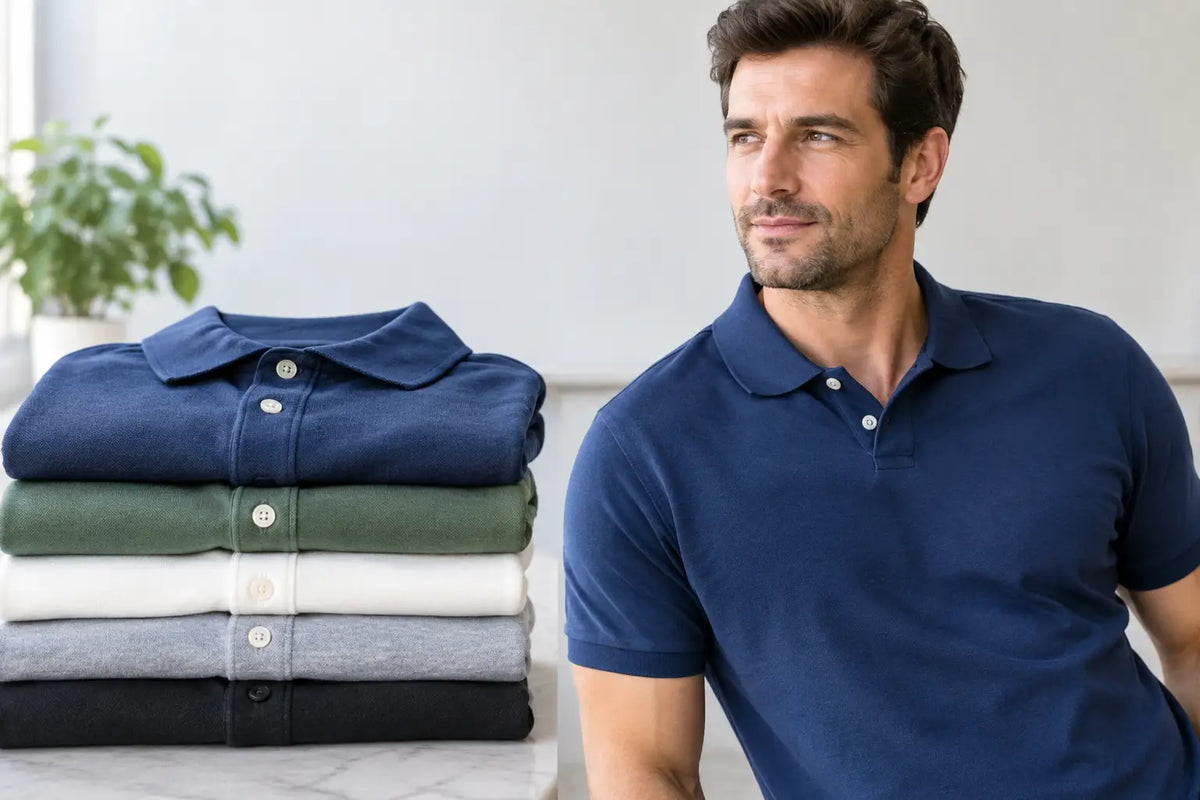
A polo should handle more than a few good outings. It is often the shirt you wear to the office, on a weekend trip, to dinner, or straight through a busy day. So, are polos durable? A well-made one can be. But the collar, knit structure, fabric weight, fit, and laundry routine all decide whether it still looks sharp after a year of wear.
The short answer is that polos are generally durable when they are made from quality cotton or a considered cotton blend, cut with enough room for natural movement, and finished with details that hold their shape. A cheap polo can look fine on day one. The difference shows after repeated washing, stretching, and drying.
Are Polos Durable? Start With the Fabric
Most polos use piqué knit, the textured fabric with a subtle waffle-like surface. It is a practical choice. The knit allows airflow, feels structured without being stiff, and hides minor wrinkles better than a flat jersey shirt. When the yarn quality and knit density are right, piqué also stands up well to regular wear.
Cotton remains the standard for a reason. It is breathable, comfortable against the skin, and suitable for warm weather or layering. Longer cotton fibers generally create smoother, stronger yarns with less fuzz and pilling over time. That does not mean every 100% cotton polo will last forever. A thin, loosely knitted cotton can lose shape quickly, while a denser cotton piqué is better equipped for weekly rotation.
Fabric weight matters, but heavier is not automatically better. A very lightweight polo can feel cool, yet it may show wear at the collar, placket, and underarms sooner. A heavier polo has more substance, but it can feel too warm for summer and may dry more slowly after washing. The better balance is a midweight fabric that feels substantial in the hand without becoming bulky.
Blends have a place, too. A small amount of elastane can help a slim-fit polo recover after movement, especially across the shoulders and chest. Polyester can improve color retention and drying time. The trade-off is feel and breathability. High synthetic content may make a polo less comfortable in heat and can hold onto odor more readily. If comfort is the priority, cotton should remain the main ingredient.
Construction Decides How a Polo Ages
The fabric gets most of the attention, but construction often tells you more about whether a polo will keep its form. Look closely at the parts that receive the most stress: the collar, button placket, shoulder seams, side seams, cuffs, and hem.
A durable collar should feel structured without being rigid. It needs enough density to resist curling at the edges, but it should still sit naturally against the neck. Flimsy collars tend to wave, collapse, or twist after repeated washes. Once that happens, even a clean polo can look worn out.
The placket deserves the same scrutiny. Reinforced stitching and securely attached buttons help the front of the shirt stay flat. Loose thread around buttonholes, thin fabric behind the buttons, or pulling at the chest are early signs that the polo is underbuilt or incorrectly sized.
Seams should lie flat and look even from end to end. A straight seam is not only cleaner visually. It spreads stress more consistently when you reach, sit, or carry a bag. Twisted side seams are particularly frustrating because they make the shirt sit off-center after laundering. That is usually a construction issue, not something ironing will fix.
Small finishing details also matter. Side vents can prevent the hem from pulling when you sit or move. Ribbed sleeve cuffs should return to shape instead of stretching open. A properly finished hem resists rolling. None of these details are flashy. That is the point. A reliable essential earns its place by doing its job repeatedly.
Fit Is Part of Durability
A polo that is too tight will wear out faster, even if the fabric is excellent. When the chest pulls, the buttons strain and the knit stretches. When the sleeves grip too hard, the cuffs lose recovery. When the length is too short, the hem rides up and gets tugged throughout the day.
This is why fit options matter. A slim fit should follow the body, not restrict it. A classic fit gives more room through the torso and works well for everyday movement. For taller men, a long-fit polo can prevent the constant pulling that happens when standard lengths come up short.
The goal is simple: the polo should sit cleanly on your frame while letting you move normally. Sizing up to solve a tight chest can leave the shoulders too wide. Sizing down for a sharper silhouette can put unnecessary pressure on the fabric. The right fit protects both comfort and the garment itself.
What Usually Wears Out First
Polos rarely fail all at once. Wear shows up in predictable places, and knowing where to look makes shopping more practical.
The collar is usually first. Repeated washing, heat, sweat, and friction can cause it to curl or lose structure. Next comes fading, especially with darker colors exposed to strong detergent, direct sunlight, or high dryer heat. Underarm areas can become rough from deodorant buildup and friction, while the placket may pucker if the fabric has stretched around the buttons.
Pilling is another common complaint. It occurs when short or loose fibers work their way to the surface and knot together. Some pilling is normal with regular wear, but heavy pilling early in a polo's life points to weaker yarn or excessive abrasion. Wearing the same shirt under a rough backpack strap every day will speed it up, regardless of quality.
A good polo does not need to look untouched after dozens of washes. It should, however, retain its color, collar shape, and overall fit well enough that you keep reaching for it. That is the useful definition of durability: not perfection, but dependable performance over time.
How to Make a Polo Last Longer
Care has a direct impact on how long a polo stays presentable. The biggest mistake is treating it like a gym towel. High heat, harsh detergent, and overloaded wash cycles break down fibers and distort knitwear faster than most people realize.
Wash polos inside out in cold or cool water with similar colors. This reduces surface friction and helps preserve color. Use a moderate amount of detergent rather than adding extra. More soap does not mean cleaner fabric, and residue can make cotton feel stiff.
Avoid bleach unless the care label specifically allows it. Bleach weakens natural fibers and can create uneven fading. Fabric softener is also worth reconsidering. It may make a shirt feel temporarily softer, but it can leave a coating that reduces breathability and affects moisture absorption.
Air drying is the safest option for shape and color. Lay the polo flat or hang it on a broad hanger while it is still damp, then smooth the collar and placket into position with your hands. If you use a dryer, choose low heat and remove the shirt while slightly damp. Letting it bake through a full hot cycle is one of the fastest ways to shrink cotton and fatigue elastic fibers.
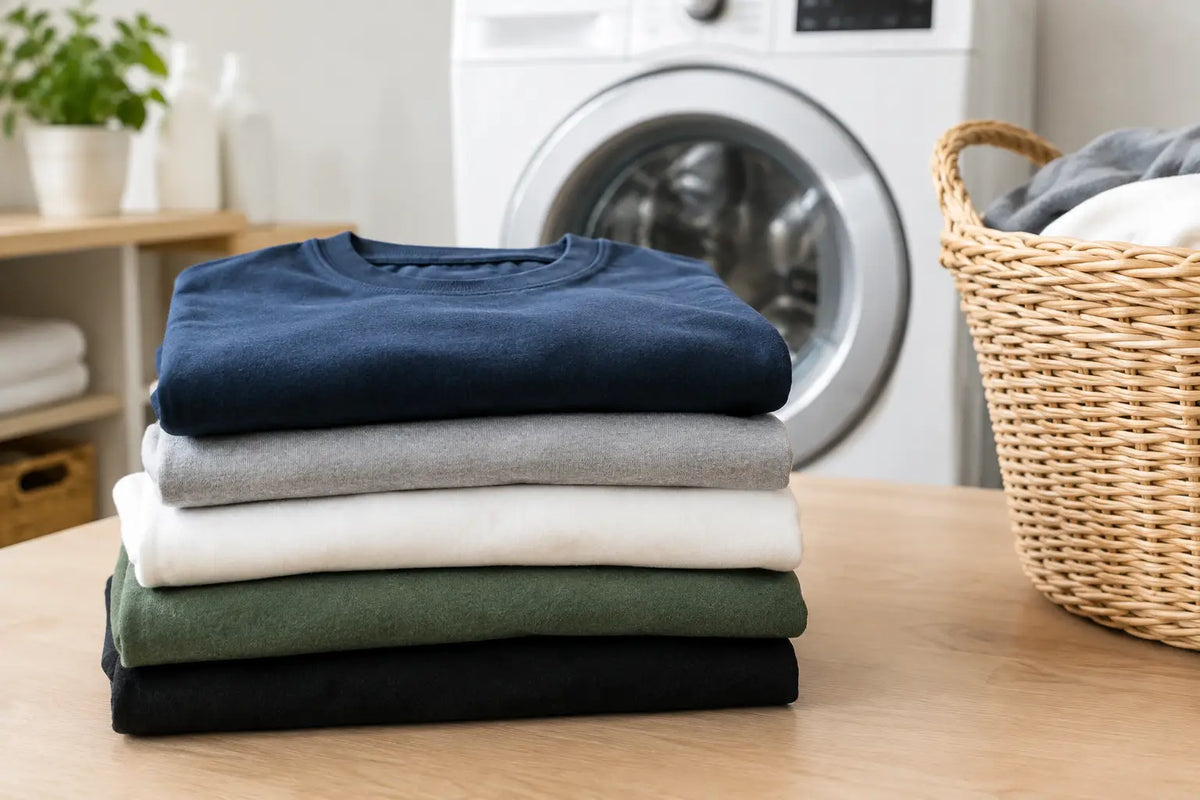
Store polos folded when possible, particularly heavier piqué styles. Hanging is fine for short periods, but narrow hangers can stretch the shoulders over time. Rotate the polos you wear most often as well. Three dependable shirts in regular rotation will typically look better and last longer than one shirt worn and washed every few days.
When a Polo Is Worth Replacing
A faded polo can still work for casual errands or yard work. But when the collar will not sit flat, the fit has gone slack, or the fabric has thinned enough to look uneven, it has reached the end of its better days. Repairing a loose button is sensible. Trying to rescue a permanently warped collar usually is not.
Buying fewer, better polos is the practical move. Choose fabric that feels substantial, construction that looks clean, and a fit that does not ask the shirt to fight your body every time you wear it. At LEBASQ, that standard starts with the basics: comfort, dependable shape, and clothing made for repeat wear.
A durable polo is not the one you save for special occasions. It is the one that still looks right after ordinary life has had plenty of chances to test it.

Laat een reactie achter
Deze site wordt beschermd door hCaptcha en het privacybeleid en de servicevoorwaarden van hCaptcha zijn van toepassing.