

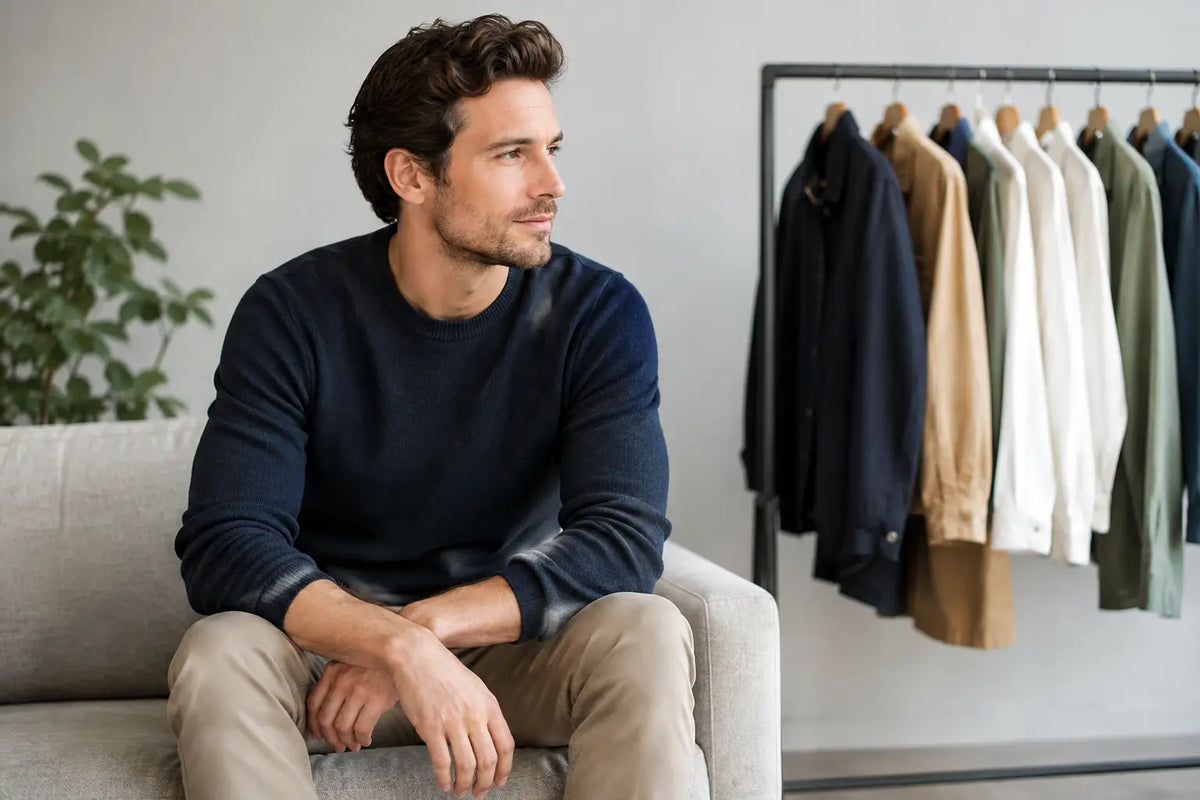
A shirt can look right on the hanger and still become the one you avoid by noon. The best everyday wardrobe works differently: it feels good during a commute, at a desk, while traveling, and after a full wash cycle. That is the standard behind beste herenkleding voor dagelijks comfort. Not more clothing. Better basics that earn their place.
Comfort is often treated as a soft fabric and a loose fit. It is more practical than that. It comes from the balance of fabric, cut, construction, and how often a piece can be worn without losing its shape. When those details are right, getting dressed becomes simple.
Best men's clothing for everyday comfort
Start with the pieces closest to your skin. T-shirts, polos, and lightweight sweaters do most of the daily work, so they should not be afterthoughts. A dependable everyday top should sit cleanly at the shoulders, allow natural movement through the chest, and stay in place when you reach, sit, or bend.
The goal is not a closet full of options. It is a small rotation of pieces that work without negotiation. Neutral colors make this easier: white, black, navy, gray, and muted earth tones combine with almost anything. They are also less likely to feel dated after one season.
A quality basic earns its value through repetition. If you wear it twice a week for a year, the cost is not the price tag alone. It is how well it holds up, how little effort it requires, and whether you still want to wear it.
Fit is where daily comfort starts
Most discomfort comes from a fit problem, not a style problem. A shirt that is too tight across the shoulders restricts movement. One that is too wide through the body can bunch under a sweatshirt or jacket. A hem that rides up every time you sit quickly becomes distracting.
There is no single best fit for every man. The right choice depends on your build, height, and how you wear your clothes.
Classic fit for easy movement
A classic fit gives you room through the chest and torso without looking oversized. It is a strong choice if you prefer a relaxed feel, layer often, or simply do not want fabric pulling when you move. The key is proportion: relaxed should not mean shapeless. Shoulder seams should still align with your shoulders, and the sleeves should not swallow your upper arms.
Slim fit for a cleaner line
Slim-fit T-shirts and polos follow the body more closely through the torso. They work well when you want a sharper silhouette under an overshirt, sweater, or casual blazer. A good slim fit should skim rather than squeeze. If the fabric pulls across your chest or the hem climbs when you lift your arms, size up or choose a less fitted cut.
Long fit when standard lengths fall short
For taller men, or anyone tired of a T-shirt exposing the waist after a few movements, length matters as much as width. A long-fit tee provides more coverage through the body while maintaining a considered shape. It is especially useful for layering, since it stays tucked or covered beneath a sweatshirt and does not ride up during the day.
Do not choose a fit based on the label alone. Measure a favorite shirt that already feels right, then compare its chest width and length with the garment measurements. This takes a few minutes and prevents a drawer full of almost-right basics.
Fabric should feel good now and wear well later
Softness gets attention because you notice it immediately. Durability matters because you notice it months later. Everyday clothing needs both.
Cotton remains a reliable choice for T-shirts because it is breathable, comfortable against the skin, and easy to care for. The quality of the cotton, knit density, and finishing make a real difference. A very thin tee may feel light at first but can lose structure quickly. A well-made, substantial jersey usually drapes better and stands up to regular washing.
For polos and sweaters, consider how the fabric matches your routine. A breathable knit polo is useful when you want something more polished than a T-shirt without feeling overdressed. A cotton sweater provides a clean extra layer for air-conditioned offices, evenings, and travel. The best choice depends on your temperature, activity, and preference for a lighter or more substantial feel.
Pay attention to the collar and cuffs as well. These areas take more stress than the rest of the garment. A collar that curls after a few washes or ribbing that loses its recovery can make an otherwise good shirt look tired. Everyday comfort includes the confidence that your clothing will still look put together at the end of the day.
Build a rotation, not a pile
Buying a single great T-shirt is a good start. Building a small rotation is smarter. Repeatedly wearing the same item without rest means more washing, more friction, and faster wear. Having several dependable options gives each piece time between wears and keeps your mornings straightforward.
A practical starting point includes several crew neck T-shirts, at least one V-neck if you prefer it under an open shirt, a couple of polos, and one or two sweaters for layering. Add a cap if it is part of your routine, not because it is a trend. The point is to cover real situations with pieces that work together.
This is where multipacks make sense. A three-pack is not about owning more for the sake of it. It is a simple way to maintain a consistent fit and fabric in the colors you actually wear. If one shirt is in the wash, you still have another that fits the same way. LEBASQ builds its essentials around this practical kind of replenishment.
Avoid buying every basic in the same cut if your week demands different things. A slim-fit tee may be your preferred choice for dinner or the office, while a classic fit is better for weekends and long travel days. Comfort improves when your wardrobe gives you options without creating clutter.
Think in layers, not outfits
The most useful everyday clothes can shift with the day. A crew neck T-shirt under a sweater handles cool mornings and warmer afternoons. A polo can take you from a casual meeting to dinner without changing your whole look. A long-fit tee can provide coverage beneath an overshirt or zip layer.
Keep the base layer clean and well-fitted. When the foundation is right, adding or removing a layer does not throw off the proportions. This is one reason elevated basics are more useful than heavily branded or overly detailed pieces. They support the rest of your wardrobe instead of competing with it.
Color also matters in layering. Start with a dependable base of white, black, gray, or navy, then add texture or a restrained color through a sweater, overshirt, or outer layer. This makes getting dressed faster and reduces the number of pieces you need to own.
Care protects comfort
The way you wash basics affects how long they stay comfortable. Heat, aggressive drying, and over-washing can shrink fibers, fade color, and weaken collars. Follow the care label, wash similar colors together, and use a gentler cycle when appropriate.
Turn printed or darker garments inside out to reduce surface wear. Air-drying is often the safer choice for preserving shape, though it depends on the fabric and the label instructions. If you use a dryer, lower heat is generally kinder to cotton than a hot cycle.
You do not need a complicated laundry system. You need consistency. Good clothing should be easy to maintain, but it still benefits from basic care.
The right everyday wardrobe should disappear once you put it on. No constant tugging at the hem. No collar losing its shape. No hesitation about whether a shirt will make it through another season. Choose the fit that suits your body, the fabric that suits your routine, and enough pieces to wear them well. That is comfort with a purpose.


Hinterlasse einen Kommentar
Diese Website ist durch hCaptcha geschützt und es gelten die allgemeinen Geschäftsbedingungen und Datenschutzbestimmungen von hCaptcha.