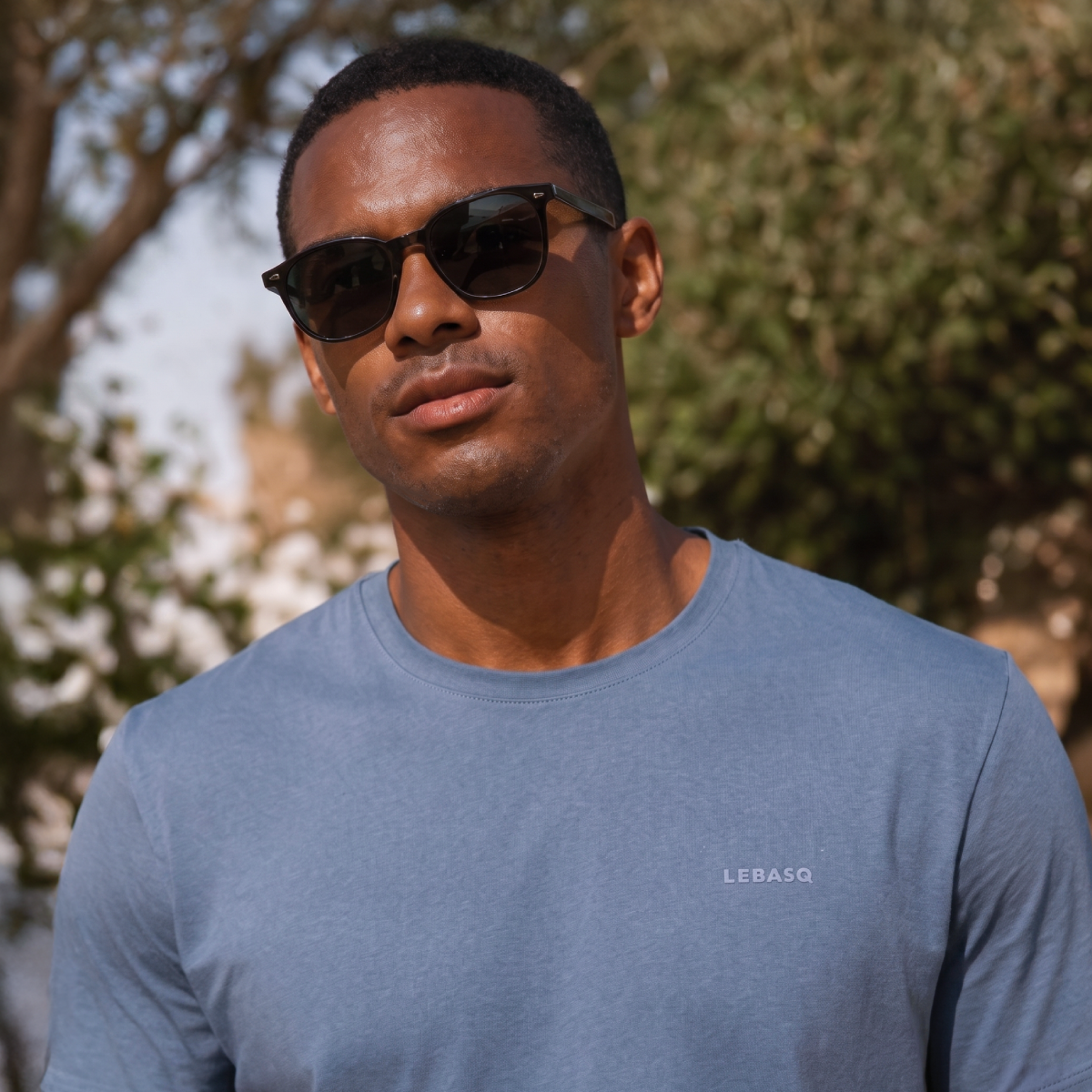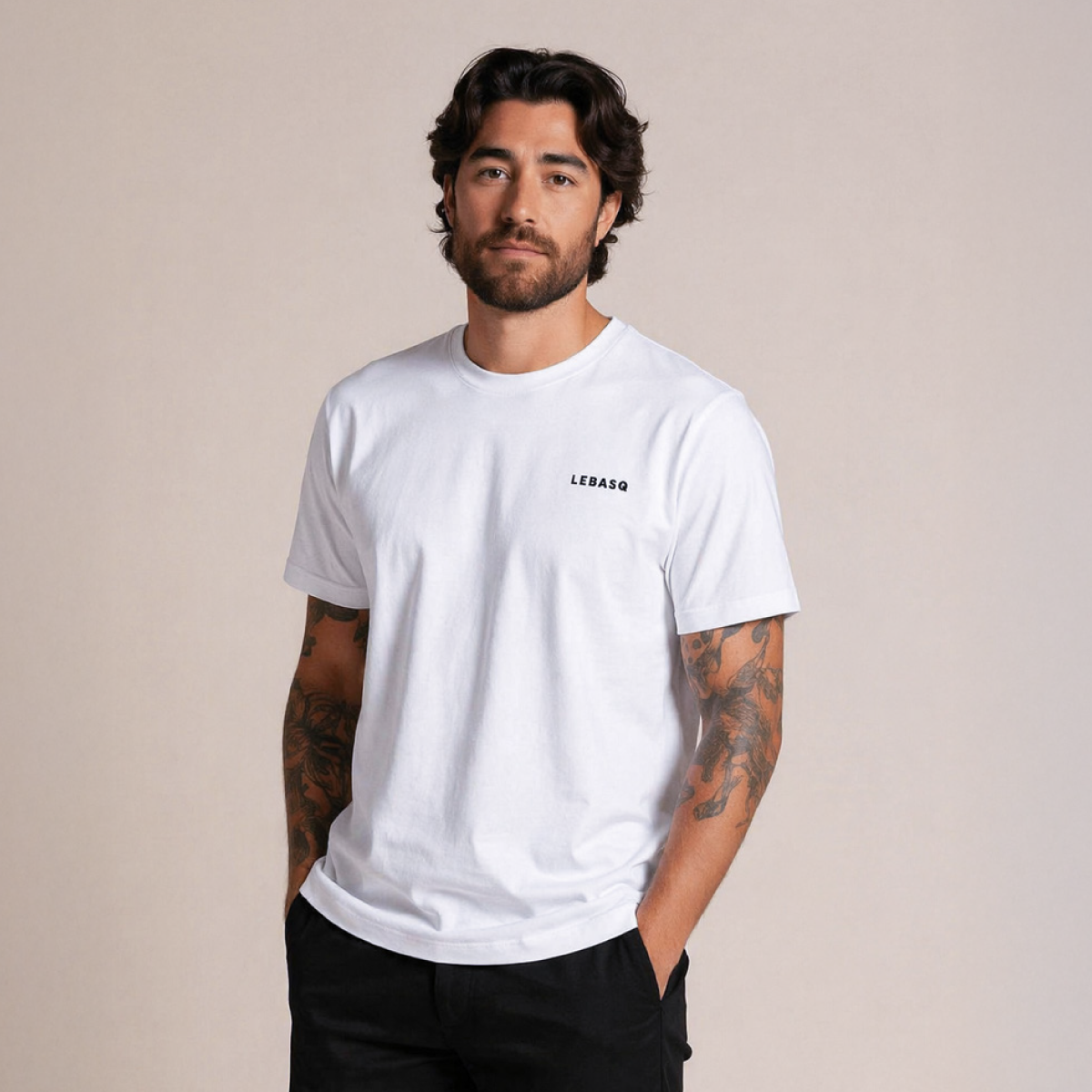

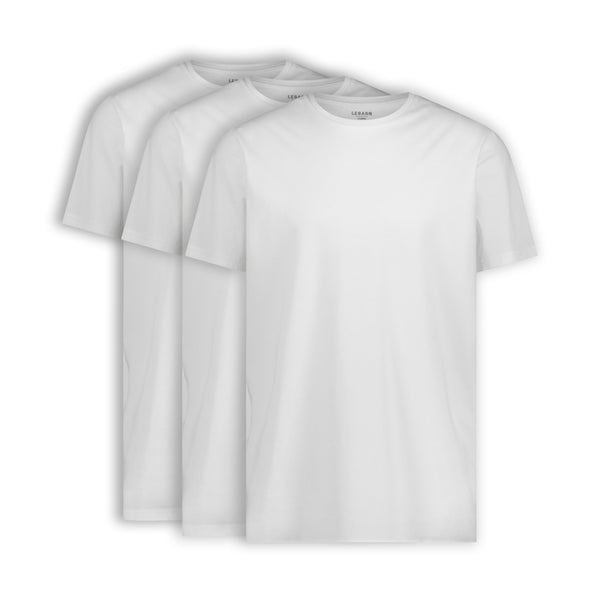


A T-shirt that twists, goes baggy or shrinks after three washes was simply never a good T-shirt. So the question of which T-shirts keep their shape longer isn't only about style, but above all about material, construction and how honest a brand is about quality.
Which T-shirts keep their shape longer?
The short answer: T-shirts with a sturdy, stable fabric, a well-thought-out fit and neat finishing stay good-looking the longest. That sounds logical, but in practice the difference lies in details you don't always see at first glance.
Many people mainly look at colour, neckline or price. Understandable. But that says little about how a shirt holds up after ten, twenty or fifty wears and washes. That is exactly when you see whether a basic is really good. A T-shirt that keeps its shape for a long time doesn't just feel good on day one, but also stays snug enough in the shoulders, stable at the hem and neat around the neck.
The fabric matters more than the label
The foundation starts with the yarn and the fabric quality. Not every cotton T-shirt behaves the same. Two shirts can both be made of cotton, yet hang and age completely differently.
Combed cotton is usually a better choice than a cheaper, coarser variant. Combing removes short fibres. The result is a smoother, stronger yarn that pills less and holds its shape better. The density of the fabric plays a part too. A thin shirt can be pleasantly airy, but loses tension sooner. A slightly heavier jersey often stays neater, especially with regular use.
That doesn't mean thick is always better. A fabric that is too heavy can feel stiff or hang less well. It is about balance. For an everyday basic you want a fabric that is sturdy enough not to stretch out, but soft enough to wear daily.
100% cotton or with stretch?
There is nuance here. Many people think 100% cotton is automatically the most durable choice. That isn't always so. A small percentage of elastane can help keep a slim fit or close-fitting T-shirt in better shape, especially around the chest, shoulders and sleeves.
At the same time, elastane has its limit. With cheaper shirts with a lot of stretch you often see that over time the fabric springs back less well. The fit then becomes looser, not tighter. For anyone looking for a T-shirt that lasts, a high-quality cotton base with a modest amount of stretch often works better than an extremely stretchy fabric.
Fit isn't a detail, it is structure
A T-shirt doesn't keep its shape because of the fabric alone. The cut is at least as important. If a shirt is already too tight at stress points from the start, it will distort sooner. Think of a neckline that gets pulled open, shoulder seams that creep backwards or a hem that rides up.
A good fit follows the body without clinging to it. That applies to slim fit, regular fit and Long Fit. The right choice depends on your build and how you wear a shirt. A slim fit can stay good-looking for a long time, as long as the shirt isn't constantly under strain. A regular fit has a little more margin, but still needs to sit neatly on the shoulders and chest. A Long Fit can be ideal for taller men, because the shirt then doesn't keep riding up and so distorts less in length.
Anyone wondering which T-shirts keep their shape longer should also look honestly at their own size choice. A shirt that is too small wears out faster. A shirt that is too big may look comfortable, but loses shape in the body and sleeves sooner.
Watch the neckline - that is where quality gives itself away
With many T-shirts you see the first wear around the collar. The neckline ripples, goes baggy or pulls crooked. That is rarely a coincidence. A good neck rib is firmly knitted, neatly attached and in proportion to the rest of the shirt.
This is especially crucial with crew necks. The round neckline should lie flat and return to shape after washing. If the rib is too limp or poorly attached, you quickly see that the shirt looks older than it is. That one detail makes the difference between a basic that stays polished and a shirt that is only fit for the house after a short time.
The shoulder-to-shoulder tape on the inside helps too. That reinforcement prevents the neckline and shoulders from stretching. You don't see it when you wear the shirt, but you do notice it in how long the shape is retained.
Construction and finishing are not an afterthought
You often recognise a good T-shirt by what doesn't stand out. Seams that lie flat. A hem that doesn't twist. Sleeves that hang the same on left and right. They are small signals of good production.
Side seams often help keep a shirt more stable than a fully tubular-knit model. Not in every case, but often. Especially with daily washing, the shape then stays more consistent. Double stitching on the hem and sleeves also contributes to durability, although an extra row of stitching on its own doesn't say everything. The overall construction has to be right.
With basics: the less fuss, the more the quality of the foundation shows. A simple T-shirt can only be truly good if fabric, cut and finishing are all strong together.
You don't prevent shrinking and twisting with quality alone
Even a good shirt can be treated wrongly. Anyone who washes their T-shirts hot, throws them in the dryer in a full load and stores them crammed together isn't exactly helping the fit.
The best T-shirts keep their shape longer if you wash them at 30 degrees, turn them inside out and don't spin too hard. The dryer is often the biggest enemy of shape retention. Heat attacks fibres, makes cotton shrink and tires elastic components sooner. Air drying is usually safer.
Too much detergent doesn't help either. Residue in the fabric makes a shirt less supple and can damage the fibre structure over time. So use a normal dose and give dark and light basics their own wash.
Good washing doesn't rescue poor quality
That is the other side. Careful care helps, but a cheap shirt made of unstable fabric doesn't suddenly turn into a durable basic because of it. If a T-shirt already comes out of the packaging crooked or feels limp straight away, the chance that it still sits snugly in shape after fifteen washes is small.
What to look for when buying
Online you can't feel a T-shirt directly, so you have to look more cleverly. Product photos and descriptions often tell you more than you think. Look out for terms like combed cotton, heavy jersey, pre-shrunk fabric or reinforced neckline. Also look closely at the fit description. Is it slim fit, regular or Long Fit? That helps avoid stress points.
Also read between the lines. If a brand only talks about looks and not about fabric weight, finishing or fit, that says something too. A basic should be judged on its foundation.
For men who build their wardrobe rationally, it pays to buy fewer different shirts and wear the same good quality more often. Especially with essentials, that works better than constantly topping up with random basics that have to be replaced again after a short time.
The best choice is often boring - and that is exactly the point
T-shirts that keep their shape for a long time are rarely the most eye-catching. They don't win on hype, but on repetition. You pull them from the wardrobe without thinking. They fit well, stay neat and don't have to be written off after a season.
That is where the value lies too. Not in marketing language, but in daily use. A premium basic should be reliable. That is exactly why brands like LEBASQ focus on fabric, fit and lifespan rather than fleeting trends.
Which T-shirts keep their shape longer? Look at the whole picture
So there is no single magic label that solves everything. Which T-shirts keep their shape longer depends on the combination of fabric quality, a fit that suits your body, strong neckline and seam finishing, and normal washing habits.
Anyone who looks mainly at the lowest price often buys twice. Anyone who looks at material, construction and fit finds that a good T-shirt pays for itself in wears. And that is ultimately what a basic is for - wear it often, stay good, reach for it again.