

A T-shirt can be made from excellent cotton and still spend most of its life in a drawer if the fit is wrong. That is why slanke pasvorm versus rechte pasvorm is more than a style question. It determines how a shirt sits on your shoulders, follows your torso, moves through the day, and looks after repeated washing.
Slim fit and straight fit are both dependable choices. Neither is automatically better. The right one depends on your build, how you like your clothing to feel, and what you expect a basic to do in your rotation.
Slanke pasvorm versus rechte pasvorm explained
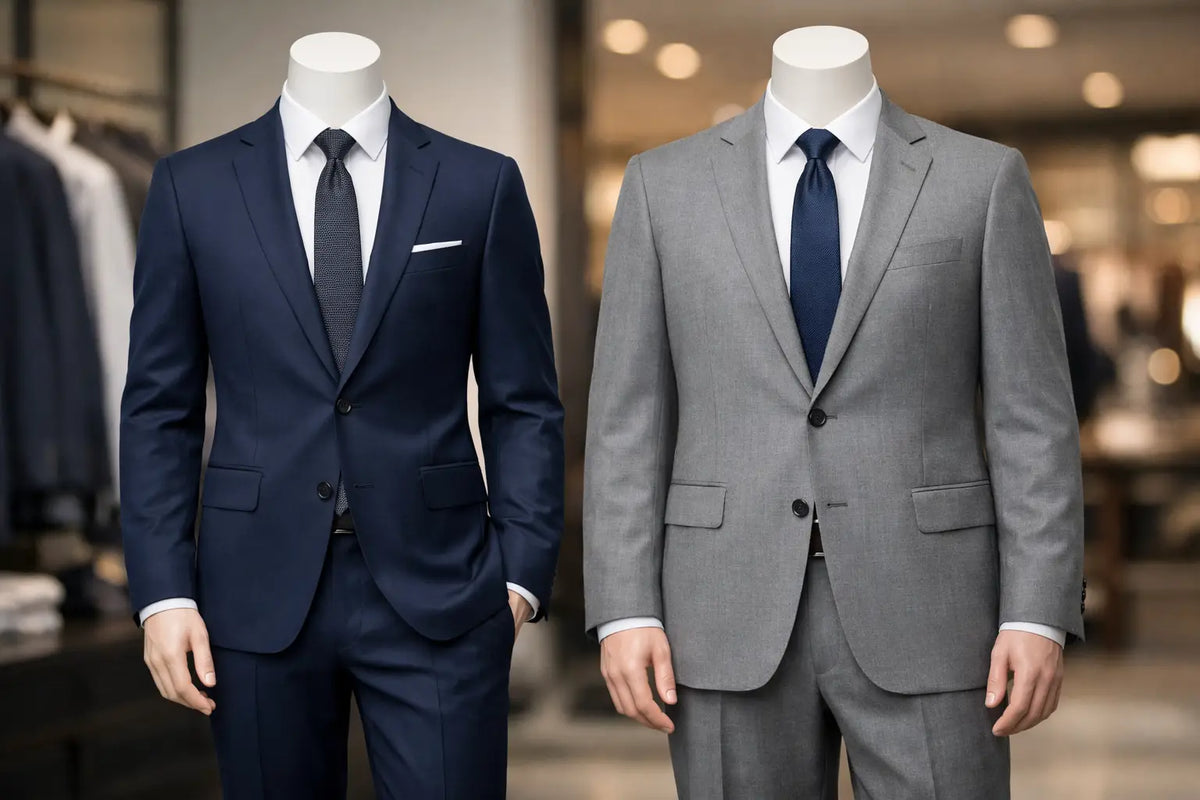
A slim fit, also called a tailored or fitted cut, follows the natural lines of the body more closely. It is typically narrower through the chest, waist, and sleeves. The goal is a clean silhouette with less extra fabric. It should look intentional, not restrictive.
A straight fit has a more even line from the chest through the hem. It is not necessarily oversized or loose. It simply gives your torso more room and does not taper as strongly at the waist. Think of it as a classic everyday shape: clean, comfortable, and easy to wear without thinking about it.
The difference is usually most noticeable in three places. A slim fit draws closer at the sides and sleeves. A straight fit leaves more breathing room through the midsection. At the hem, a straight fit often falls more freely, while a slim fit stays closer to the body.
Fabric matters here. Premium cotton with a little structure helps a slim shirt hold its shape without clinging. A quality straight-fit shirt should also keep a tidy line rather than becoming boxy after a few wears. Fit and fabric work together. One cannot compensate for the other for long.
Choose slim fit when you want a sharper line
A slim-fit tee or polo works well when you prefer a closer, more defined look. It is especially effective under an overshirt, sweater, or jacket because there is less fabric bunching underneath. The sleeves tend to sit nearer to the arms, and the torso reads cleaner from the front and side.
This fit often suits men with a lean or athletic build, but body type is not a rulebook. The real test is comfort at the shoulders, chest, and waist. You should be able to reach forward, sit down, and move through your day without feeling the shirt pull across your upper back or stomach.
A slim fit is a good choice if your usual complaint is that standard T-shirts feel wide around the waist or have sleeves that flare out. It gives basics more definition without making them formal.
There is a line to watch, though. Slim should not mean skin-tight. If horizontal pull lines form across the chest, if the collar shifts backward, or if the hem rides up when you raise your arms, the shirt is too small or too aggressively cut for you. Sizing up may help, but only if the shoulders still sit correctly. Otherwise, a straight fit will likely look better and feel better.
Choose straight fit for everyday flexibility
A straight fit is built for ease. It has a more relaxed relationship with the body while remaining neat enough for everyday wear. For many men, it is the most versatile starting point for a core T-shirt wardrobe.
The extra room helps if you have broader shoulders, a fuller chest, or prefer not to emphasize your midsection. It also works well when you want one shirt that can handle commuting, weekends, travel, and time at home without ever feeling too fitted.
Straight fit is not a fallback option. Worn in the right size, it looks deliberate and refined. The shoulder seam should still land close to the edge of your shoulder. The shirt should not balloon at the chest, and the sleeves should not hang so wide that they lose their shape. Room is useful. Excess fabric is not.
This is also a practical cut for layering over a lightweight base layer or wearing beneath a casual jacket. A straight fit gives you movement without the visual bulk associated with a baggy shirt.
Fit starts at the shoulders, not the waist
Many people judge a T-shirt by how it feels around the stomach. That matters, but the shoulders are the better place to start. A shoulder seam that sits too far down the arm makes almost any shirt look too large. A seam that lands too high can make the chest and sleeves feel tight, even when the body appears to fit.
Once the shoulders are right, look at the chest. A slim fit should skim it with enough room to move. A straight fit should sit cleanly without collapsing into folds. Then check the sleeves. They should finish around the mid-bicep on most standard tees and sit close enough to maintain shape without squeezing your arms.
Finally, assess length. The hem should cover the waistband and stay there when you move, but it should not extend so far that it shortens the appearance of your legs. If standard shirts regularly come untucked or expose your waistband when you lift your arms, a long-fit option may solve the issue better than choosing a wider size.
How to decide between slim and straight fit
Start with your current favorite shirt, not a measuring tape. Ask why you wear it more than the others. If it feels clean under layers and does not leave spare fabric around your waist, you probably lean slim. If you reach for it because it stays comfortable all day and never feels restrictive after a meal or a long drive, straight fit may be your better default.
Your intended use matters too. A slim-fit T-shirt can make a simple outfit look more polished with jeans, chinos, or a jacket. A straight-fit tee is often easier for off-duty wear, travel, and casual layering. For many wardrobes, the practical answer is not choosing one fit forever. It is using each where it performs best.
Consider your pants as well. Slim tops pair naturally with straight or tapered jeans and trousers. A straight-fit T-shirt balances relaxed denim, wider chinos, and casual shorts without looking overly narrow on top. The goal is proportion, not following a formula.
Color changes the effect slightly. Dark colors and heavier fabrics can make a slim fit look more streamlined. Lighter colors may reveal more of the shirt’s shape, so correct sizing becomes even more important. In a straight fit, neutral colors keep the look crisp and make the shirt easier to repeat throughout the week.
Common fit mistakes worth avoiding
The most common mistake is buying a size up to create comfort. This often creates a poor shoulder fit and too much fabric at the sleeves, even if the waist feels better. If a slim cut feels restrictive, switch fits before switching sizes.
The opposite mistake is treating a closer fit as proof that a shirt fits well. A shirt that clings around the stomach, twists at the seams, or pulls at the chest will not become more comfortable with wear. Great basics should earn their place through repeat wear, not through a short mirror test.
Also, do not judge a new shirt only while standing still. Sit, lift your arms, bend down, and wear it for an hour. The best fit is one you stop noticing because it moves with you and keeps its shape.
A well-made essential should make the decision simple. Choose slim fit when you want a closer, sharper silhouette. Choose straight fit when you want more room and all-day versatility. Start with the fit that matches how you actually live, then build from there. That is how a basic becomes the shirt you reach for first.


Hinterlasse einen Kommentar
Diese Website ist durch hCaptcha geschützt und es gelten die allgemeinen Geschäftsbedingungen und Datenschutzbestimmungen von hCaptcha.