

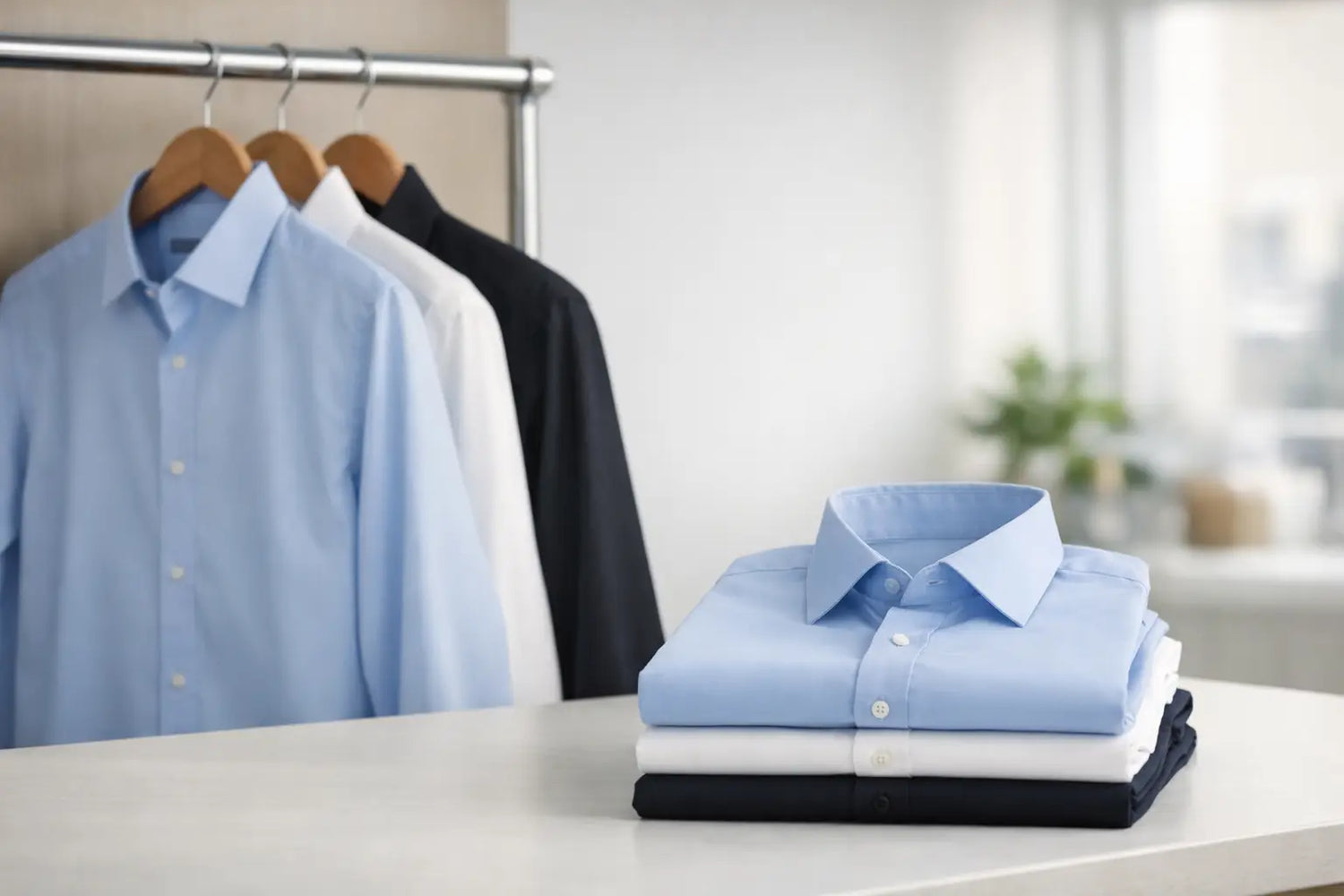
A shirt can feel great on day one and still disappoint by the fifth wash. The collar starts to wave, the body twists, and the hem rides up. For anyone searching for shirts die hun vorm behouden, the answer is not a special laundry trick. It starts with how the shirt was made.
A dependable T-shirt should earn its place in your rotation. It should sit cleanly at the shoulders, keep its intended length, and look composed after regular wear. That requires better materials, considered construction, and care that respects the fabric.
Why shirts that retain their shape start with fabric
Shape retention is largely a fabric question. Cotton is a strong foundation for everyday shirts because it is breathable, soft, and comfortable against the skin. But not all cotton jersey behaves the same way. Fiber quality, yarn strength, knit density, and finishing all affect what happens after repeated washing.
Short, weaker fibers are more likely to work loose over time. The result can be pilling, a softer but less stable surface, and a shirt that gradually loses definition. Longer, cleaner cotton fibers create smoother yarns. They help a tee feel refined while giving the fabric a better chance of holding up through regular wear.
Fabric weight matters too, but heavier is not automatically better. A very lightweight shirt may feel cool but can be more prone to stretching and becoming transparent. An overly heavy tee can feel stiff or hot. The right weight depends on how you wear it. For most daily wardrobes, a substantial yet breathable jersey offers the best balance: enough structure to keep its line, enough comfort to wear without thinking about it.
Blended fabrics can also be useful. A small amount of elastane can help a slim-fit shirt recover after movement, particularly around the chest and sleeves. Too much stretch, however, may change the feel of a classic cotton tee and can make heat exposure more damaging. The goal is support, not a synthetic feel.
Construction is what keeps the fit honest
Good fabric alone cannot compensate for careless construction. A shirt that keeps its shape is built with details that handle real use.
Start with the collar. It is often the first area to reveal whether a tee was made to last. A well-finished rib collar should lie flat without feeling restrictive. It needs enough recovery to return to its original shape after the shirt is pulled over your head, but it should not be so tight that it strains at the neckline. Reinforced neck seams help the collar stay centered and prevent the shoulder area from stretching out.
Shoulder seams matter just as much. They should land where your shoulder naturally ends. If they sit too far out, the shirt can look sloppy from the start and will stretch under the weight of the sleeves. If they sit too high, the shirt can pull across the upper body and lose shape through tension. Fit is not just about appearance. It affects durability.
Side seams and hems should remain straight after washing. When a tee twists around the torso, it usually points to fabric grain, cutting, or finishing issues. A slight shift can happen with natural fibers, but a shirt should not require you to rotate it back into place every time you wear it.
For long-fit shirts, length deserves extra attention. Extra length should be intentional, not simply a standard shirt made larger. A proper long fit gives more coverage through the torso while keeping the chest, shoulders, and sleeves proportionate. That makes it easier for the shirt to retain a clean silhouette instead of becoming loose and shapeless.
Choose the fit that places less stress on the shirt
Many people size down in the hope of getting a sharper look. That can work briefly, but a shirt that is constantly stretched across the chest, shoulders, or stomach will wear out faster. The fabric is doing more work than it was designed to do.
A slim fit should follow the body without clinging. You should be able to move your arms comfortably and sit without the hem pulling high. A classic fit gives more room through the torso and is often the easiest option for an everyday rotation. Long fit works well if standard tees become too short after washing or if you prefer more coverage when bending and moving.
The practical test is simple: look at the shirt after a full day, not just in the mirror before leaving home. If the neckline has pulled forward, the sleeves have ridden up, or the body has stretched across the chest, try a different fit rather than forcing a smaller size.
How to keep shirts retaining their shape at home
Even the best shirt will not benefit from hot, aggressive washing. Care is not complicated, but it does require consistency.
Turn shirts inside out before washing. This reduces friction on the outside surface, where pilling and fading are most visible. Wash with similar colors and similar weights. A load full of heavy towels, jeans, and lightweight tees creates unnecessary abrasion.
Use cold or cool water for regular washing. High heat can shrink cotton unevenly, weaken elastic recovery, and put stress on ribbed collars. A gentle or normal cycle is generally enough for everyday shirts, depending on how soiled they are. More detergent does not mean cleaner clothing. It can leave residue in the fibers, making fabric feel less soft over time.
Drying is where many shirts lose their original fit. Air drying is the safest choice for preserving length, collar shape, and fabric recovery. Lay a shirt flat or hang it from the hem or a well-shaped hanger after smoothing it with your hands. If you use a dryer, choose low heat and remove the shirts while they are still slightly damp. Letting them bake until completely dry is convenient, but it is hard on cotton.
Avoid pulling a wet shirt into shape with force. Wet fibers are more vulnerable to stretching. Instead, gently straighten the side seams, smooth the collar, and let the garment dry naturally. Small habits like this make a visible difference over dozens of washes.
Build a rotation instead of overworking one favorite
A quality basic lasts longer when it is not worn, washed, and dried nonstop. That is where multipacks make practical sense. Having several well-fitting shirts in the same dependable style means each one gets time to rest between wears and washes.
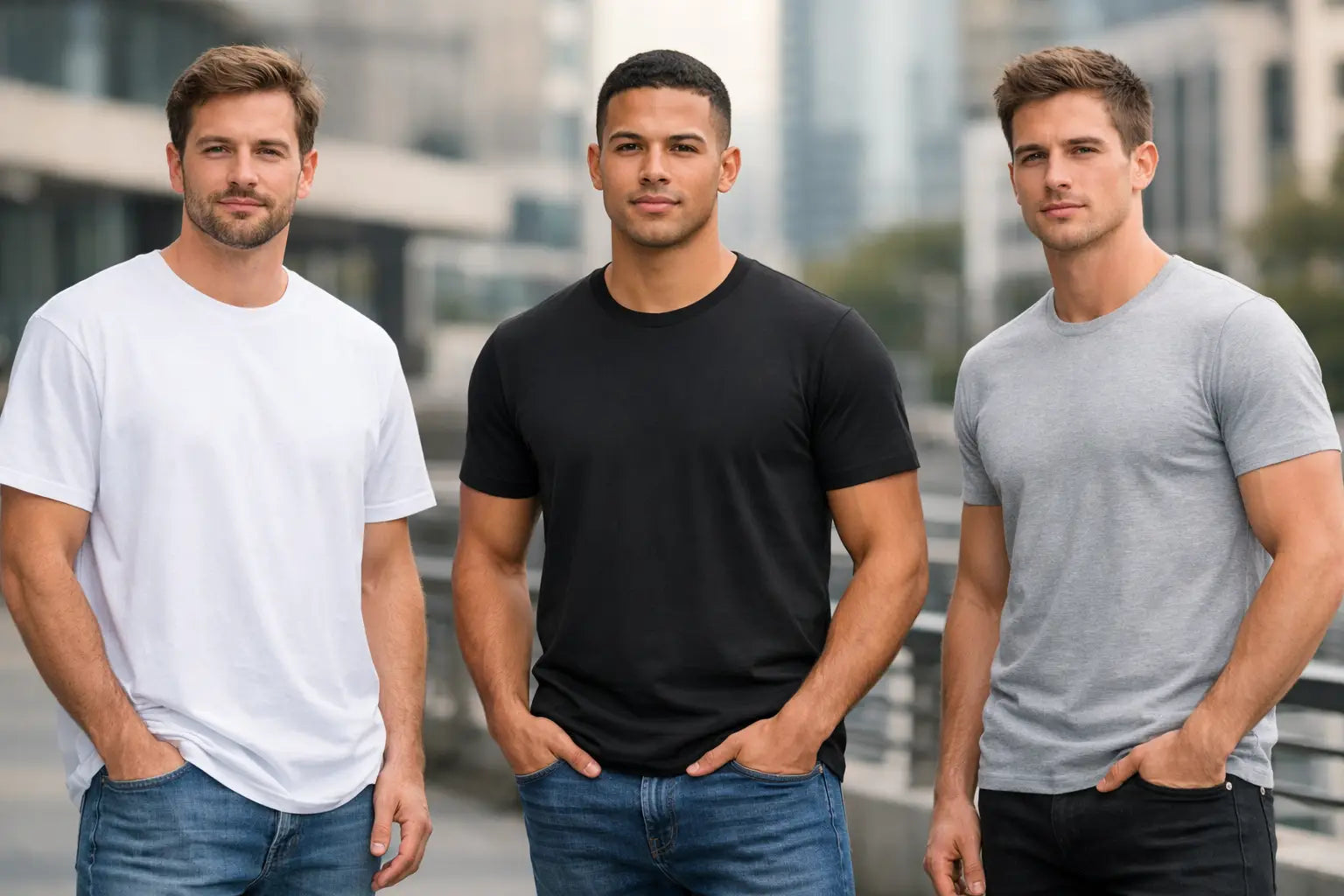
This is especially useful for white, black, and neutral tees that carry most of the load in a wardrobe. Rather than replacing a worn-out shirt every few months, you can rotate a small set and keep the same fit and feel available throughout the week. It is less about owning more clothing and more about relying on better basics.
LEBASQ designs everyday essentials around that principle: clear fit options, durable materials, and shirts made for repeat wear rather than a single good first impression.
Know when a shirt has reached the end of its useful life
No shirt lasts forever. A good tee should age gradually, not collapse after a handful of washes. Some softening is normal with cotton. What is not normal is a collar that permanently curls, side seams that spiral, thinning fabric at the torso, or a hem that has noticeably shortened.
When those signs appear, the issue may be care, but it may also be the starting quality of the shirt. Replacing disposable basics with fewer, better-made options changes the equation. You get a more consistent fit, less guesswork in the morning, and clothing that looks considered without asking for extra effort.
The best everyday shirt is not the one that feels impressive for an hour. It is the one you reach for months later because the collar still sits right, the fit still works, and it has kept its shape through real life.

Hinterlasse einen Kommentar
Diese Website ist durch hCaptcha geschützt und es gelten die allgemeinen Geschäftsbedingungen und Datenschutzbestimmungen von hCaptcha.