



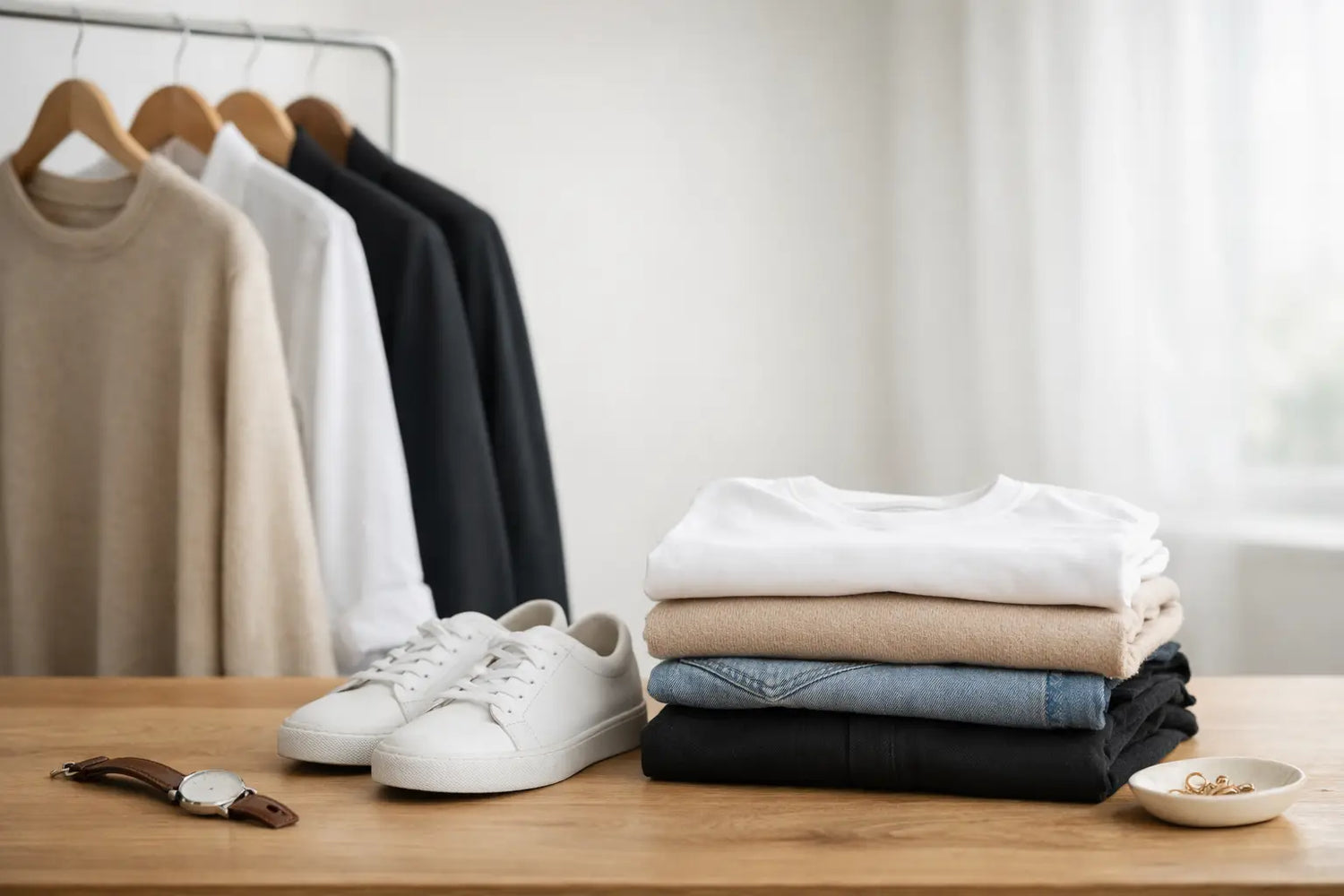
Een la vol T-shirts zou aankleden makkelijker moeten maken. Te vaak gebeurt het tegenovergestelde: ongelijke pasvormen, dunne kragen, stof die na het wassen draait en kledingstukken die je alleen bewaart omdat vervangen een klus lijkt. Daar begint de trend naar minder maar betere kleding. Het gaat niet om de kleinst mogelijke garderobe. Het gaat om kleding die je echt aantrekt.
Bij dagelijkse basics is meer keuze zelden beter. Een paar betrouwbare T-shirts, polo's, truien en petten die goed zitten en regelmatig dragen aankunnen, doen meer dan een stapel wegwerpalternatieven. Minder rommel. Minder miskopen. Elke ochtend meer comfort.
Waarom de trend naar minder maar betere kleding groeit
Fast fashion heeft veel mensen geleerd kleding te beoordelen op het prijskaartje en de eerste keer passen. Maar de echte kosten van een shirt zie je later: als het zijn vorm verliest, ongelijk vervaagt, een uitgerekte hals krijgt of te oncomfortabel wordt om een hele dag te dragen.
Daarom kijken steeds meer kopers verder dan de aanschafprijs. Ze willen stof met body, stiksels die herhaald wassen aankunnen en een pasvorm die geen keuze afdwingt tussen verzorgd ogen en comfortabel voelen. Een basic is pas een basic als het werkt zonder aandacht te vragen.
De verschuiving is praktisch, niet voor de show. Mensen hebben het druk. Ze willen een betrouwbaar uniform voor werk, weekend, reizen en alles daartussen. Minder stuks kopen vermindert keuzestress, maar alleen als die stuks echt beter zijn. Eén goed T-shirt met ronde hals is nuttig. Vijf bijna identieke shirts die allemaal anders krimpen niet.
Er speelt ook een kwestie van duurzaamheid. Kleding langer in rotatie houden betekent meestal minder vaak vervangen. Dat betekent niet dat elk premium item automatisch de verantwoorde keuze is. Stof, constructie, verzorging en hoe vaak je het draagt doen er allemaal toe. Toch is kleding kiezen die gemaakt is om vaak gedragen te worden een verstandiger startpunt dan kleding als tijdelijk zien.
Beter betekent niet simpelweg duurder
Een hogere prijs kan betere materialen en constructie weerspiegelen. Het kan ook branding, beperkte beschikbaarheid of details weerspiegelen die je niet nodig hebt. Het punt is niet om ruim uit te geven. Het punt is om kleding te beoordelen op prestaties.
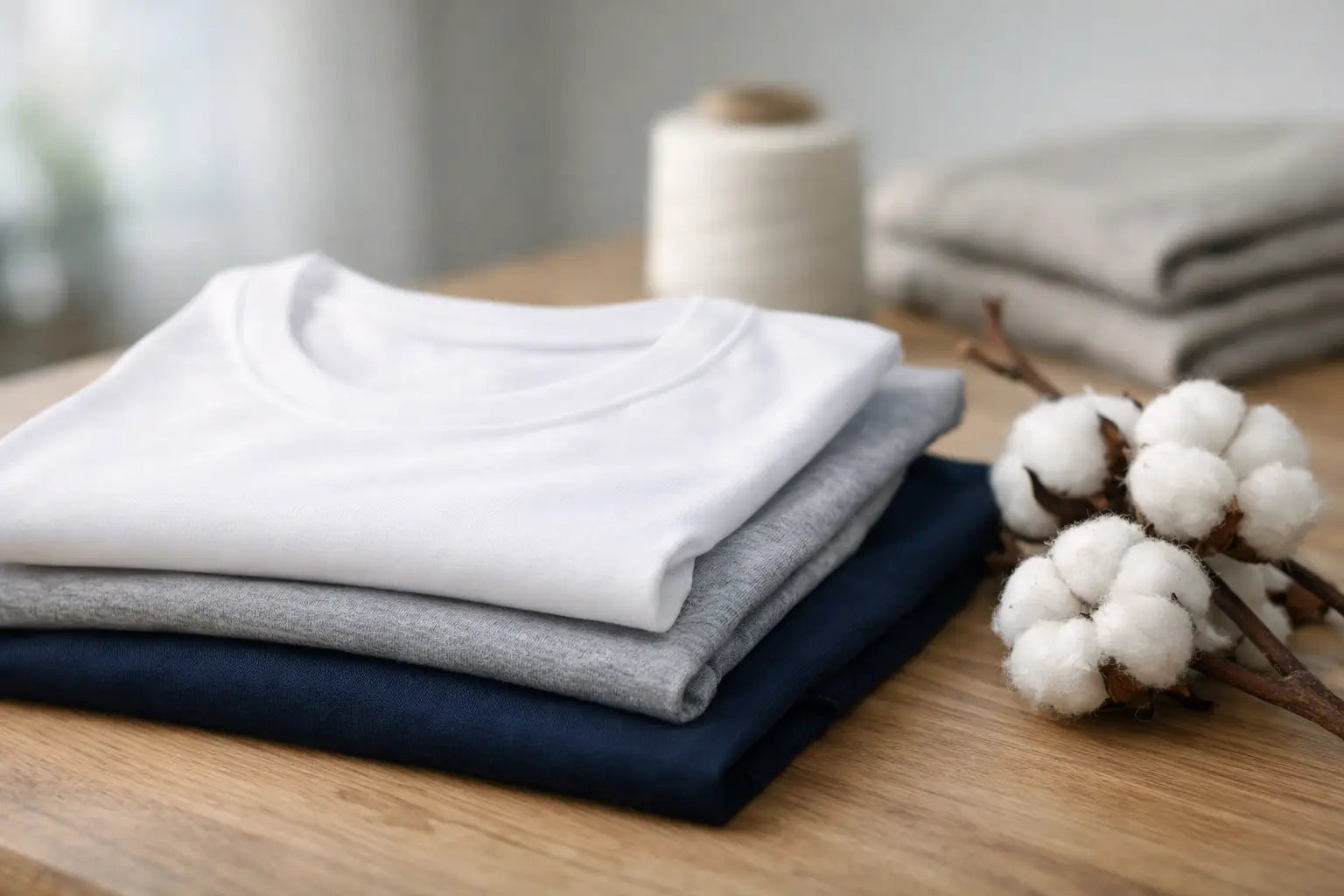
Begin bij de stof. Voor een dagelijks T-shirt moet het materiaal prettig op je huid aanvoelen en genoeg gewicht hebben om zijn vorm te houden. Extreem dunne stof voelt in de winkel misschien zacht, maar kan doorschijnend worden, structuur verliezen of snel slijten. Aan de andere kant is het zwaarste shirt ook niet altijd de beste keuze. Heb je het snel warm, woon je in een warm klimaat of wil je een laag onder een jas, dan past een gebalanceerd stofgewicht misschien beter.
Kijk daarna naar de constructie. Een kraag die na het wassen terugveert, nette naden, consistente maten en een zoom die niet draait zijn geen glamoureuze details. Ze maken het verschil tussen een shirt dat je wekelijks draagt en een shirt dat achter in de la blijft liggen.
De pasvorm verdient dezelfde aandacht. De beste stof redt geen T-shirt dat omhoog kruipt, te wijd hangt rond de taille of centimeters boven het punt eindigt waar je het wilt hebben. Een klassieke pasvorm werkt voor veel lichamen en gelegenheden. Een slim fit geeft een strakkere lijn zonder te knellen. Een long fit lost een veelvoorkomend probleem op voor langere mannen of iedereen die genoeg heeft van shirts die gedurende de dag omhoog kruipen. Betere kleding betekent de juiste versie voor jouw lichaam vinden, niet jezelf in een standaardsnit persen.
Bouw rond de kleding die je het meest draagt
Een betere garderobe begint niet met een grote opruimactie. Begin met een week eerlijk observeren. Welke stukken trek je aan als je snel weg moet? Welke voelen na acht uur nog goed, niet alleen voor de spiegel? Welke items was je, draag je opnieuw en mis je als ze er niet zijn?
Dat zijn je essentials. Voor veel mannen bestaat die basis uit kwalitatieve T-shirts in neutrale kleuren, een paar polo's voor momenten waarop je er iets verzorgder uit wilt zien, een betrouwbare trui en een of twee lagen die in meerdere seizoenen werken. De precieze mix hangt af van je werk, klimaat en persoonlijke stijl. Wie thuiswerkt, heeft misschien meer casual T-shirts nodig. Wie veel reist, hecht misschien meer waarde aan kreukherstel en makkelijk laagjes dragen.
Het doel is niet om elke outfit identiek te maken. Het doel is zwakke schakels te verminderen. Als je basisstukken consequent goed zitten, kun je persoonlijkheid toevoegen met kleur, jassen, schoenen of één opvallend item, zonder elk seizoen je kast opnieuw op te bouwen.
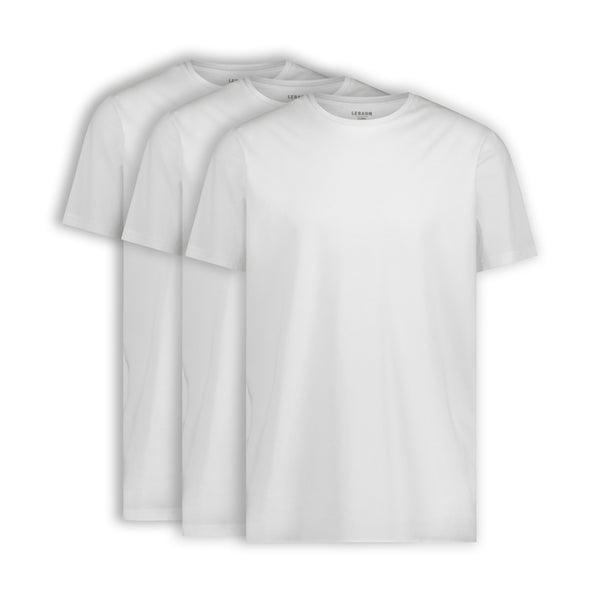
Deze aanpak maakt multipacks ook nuttiger. Een 3-pack gaat niet om meer kopen omwille van het kopen. Het werkt als je al een T-shirt hebt gevonden dat goed zit en goed presteert. Je krijgt consistentie, een eenvoudigere wasrotatie en een lagere prijs per shirt, zonder te gokken op drie willekeurige aankopen.
De kosten-per-draagbeurt-test
Prijs doet ertoe. Doen alsof dat niet zo is, helpt niemand. Maar een goedkoop shirt dat vijf keer meegaat, is vaak een slechtere deal dan een beter gemaakt shirt dat je vijftig keer draagt.
Kosten per draagbeurt zijn een eenvoudige manier om dat in perspectief te zetten. Deel wat je betaalde door het aantal keren dat je het item realistisch gezien verwacht te dragen. Een T-shirt van €20 dat je tien keer draagt, kost €2 per keer. Een T-shirt van €45 dat je negentig keer draagt, kost vijftig cent per keer. Het tweede shirt vraagt misschien een hogere investering vooraf, maar kan meer waarde bieden als het comfortabel en verzorgd blijft.
Dat werkt natuurlijk alleen als je koopt voor je echte leven. Koop geen premium trui omdat het lijkt alsof een goedgeklede man er een hoort te hebben, als je hem twee keer per jaar draagt. Koop beter waar je kleding het zwaarst gebruikt: de T-shirts, polo's en dagelijkse lagen die je week dragen.
Verzorging hoort bij beter kopen
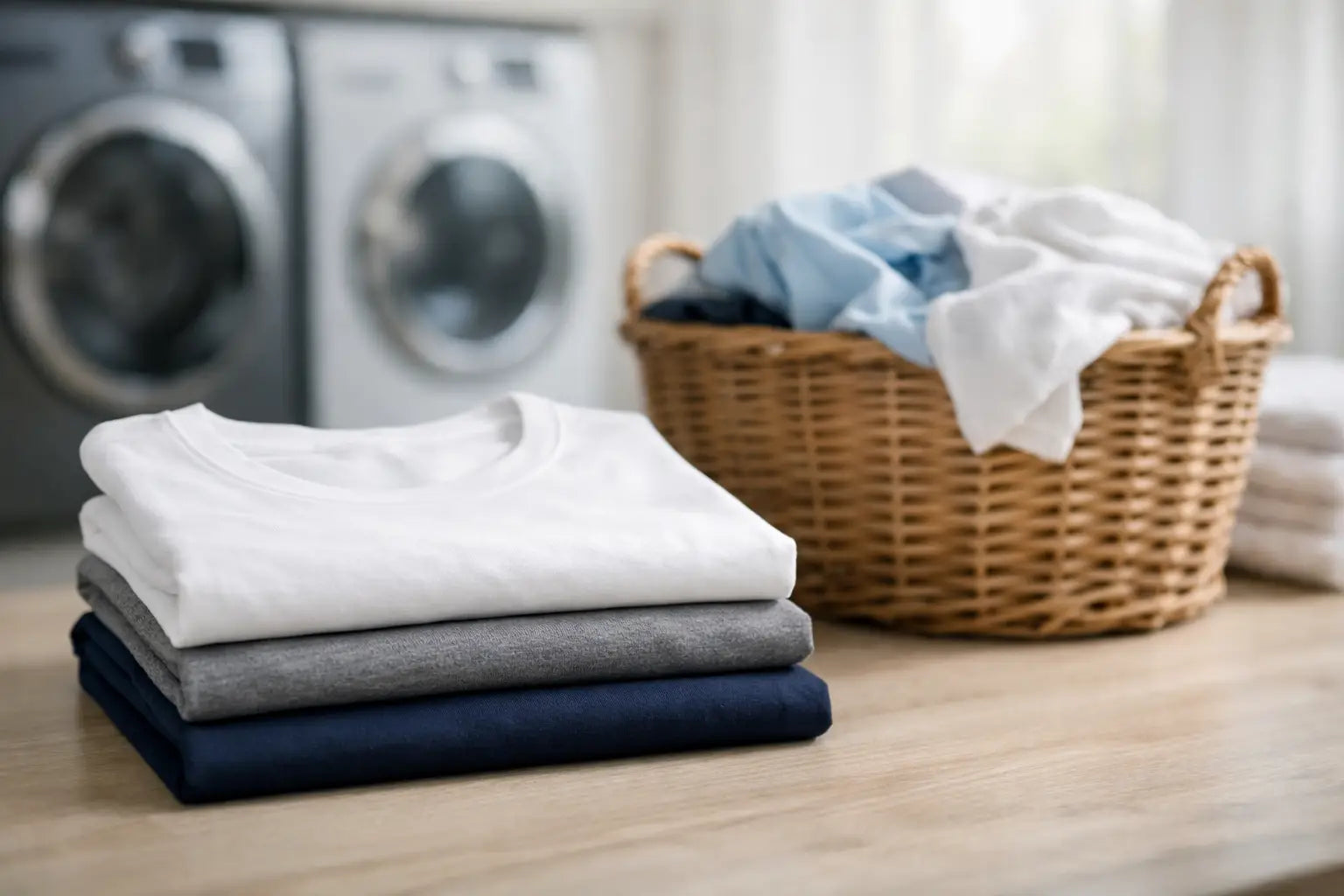
Zelfs uitstekende kleding heeft redelijke verzorging nodig. Elk item na één korte draagbeurt wassen kan de levensduur onnodig verkorten. Tenzij een kledingstuk bezweet of vlekkerig is of geur vasthoudt, kan even laten luchten genoeg zijn. Als het tijd is om te wassen, volg dan het waslabel, scheid licht en donker en maak de droger niet voor alles het standaardantwoord.
Hitte is zwaar voor stof, elasticiteit en kleur. Lagere wastemperaturen en aan de lucht drogen wanneer dat kan, helpen basics langer in vorm te blijven. Shirts met print of donkere kleuren binnenstebuiten keren vermindert wrijving aan het oppervlak. Het zijn kleine gewoontes, maar ze beschermen de waarde van een betere aankoop.
Verzorging hoeft geen project te worden. De juiste garderobe moet nog steeds passen bij het echte leven. Weet je dat je vaak een droger gebruikt, kies dan stukken die zijn ontworpen en getest met regelmatig wassen in gedachten en volg de aanbevolen instructies zo goed mogelijk.
Een kleinere garderobe moet nog steeds bij je passen
Er zit een risico in het idee van minder maar beter: het behandelen als een regelboek. Een praktische garderobe moet ruimte laten voor wat je leuk vindt. Hou je van uitgesproken kleur, draag het dan. Heb je verschillende pasvormen nodig voor kantoor, sportschool en weekend, dan is dat geen overdaad. Het is een antwoord op hoe je leeft.
De maatstaf is simpel: elk item moet zijn plek verdienen. Het moet goed zitten, prettig voelen, werken met de rest van je garderobe en vaak genoeg gedragen worden om het te houden. Dat laat ruimte voor persoonlijke smaak en schrapt de aankopen die van begin af aan niet klopten.
Begin bij het kledingstuk dat je het vaakst vervangt. Zoek een versie met de juiste stof, pasvorm en constructie, en draag het dan veel. Een betere garderobe bouw je niet door constant te shoppen. Je bouwt hem op, één betrouwbare essential tegelijk.

Laat een reactie achter
Deze site wordt beschermd door hCaptcha en het privacybeleid en de servicevoorwaarden van hCaptcha zijn van toepassing.