


A T-shirt that twists, shrinks or loses its neckline after three washes was never really cheap. If you buy with intention, you're not looking for hype but for clothes that last. That's exactly where the difference lies between a full wardrobe and a strong foundation.
Why clothes that last are ultimately the smarter choice
The maths is simple. A cheap shirt that quickly loses its shape, fades or wears out gets replaced sooner. A better-made shirt you wear for longer, more often and with more pleasure. So the price at the till says little unless you factor in the price per wear.
There's something else too. Basics aren't an afterthought. They're the pieces you wear most often: under an overshirt, with jeans, with chinos, at home, on the go, at work. That's exactly why they have to get comfort, fit and durability right. If the foundation is weak, you notice it every week.
Clothes that last also feel different in use. Less hesitation in the morning. Fewer bad buys. Fewer items ending up at the back of the wardrobe because they don't quite fit right or have already lost their shape. That's not a grand story. It's simply practical.
What to look for in clothes that last
Durability doesn't start with a big label on the packaging. It's in a series of choices that you only really see when you look a little further than colour and price.
The fabric matters more than you think
Good basics start with solid material. Not necessarily the heaviest fabric, but one that stands up to repeated wearing and washing. For T-shirts, cotton is still a strong foundation, especially if it feels sturdy, is knitted nice and dense and keeps its shape without becoming stiff.
The surface finish says a lot. A shirt that looks thin, see-through or limp straight away rarely lasts long. At the same time, thicker isn't automatically better. A heavy fabric can be warm or drape less well. So it depends on the purpose. For everyday basics you want balance: sturdy enough for heavy use, comfortable enough to wear often.
Blends can also make sense, as long as they serve a function. Sometimes a small addition in the fibre structure helps hold the shape better. But if a material was chosen mainly because it's cheaper to produce, you usually notice quickly in pilling, shine or loss of fit.
Fit extends the lifespan
People often think of wear only in terms of fabric, but fit plays just as much of a part. A shirt that's too tight puts more strain on the seams, shoulders and neckline. A style that doesn't suit your build often gets worn less, however good the quality.
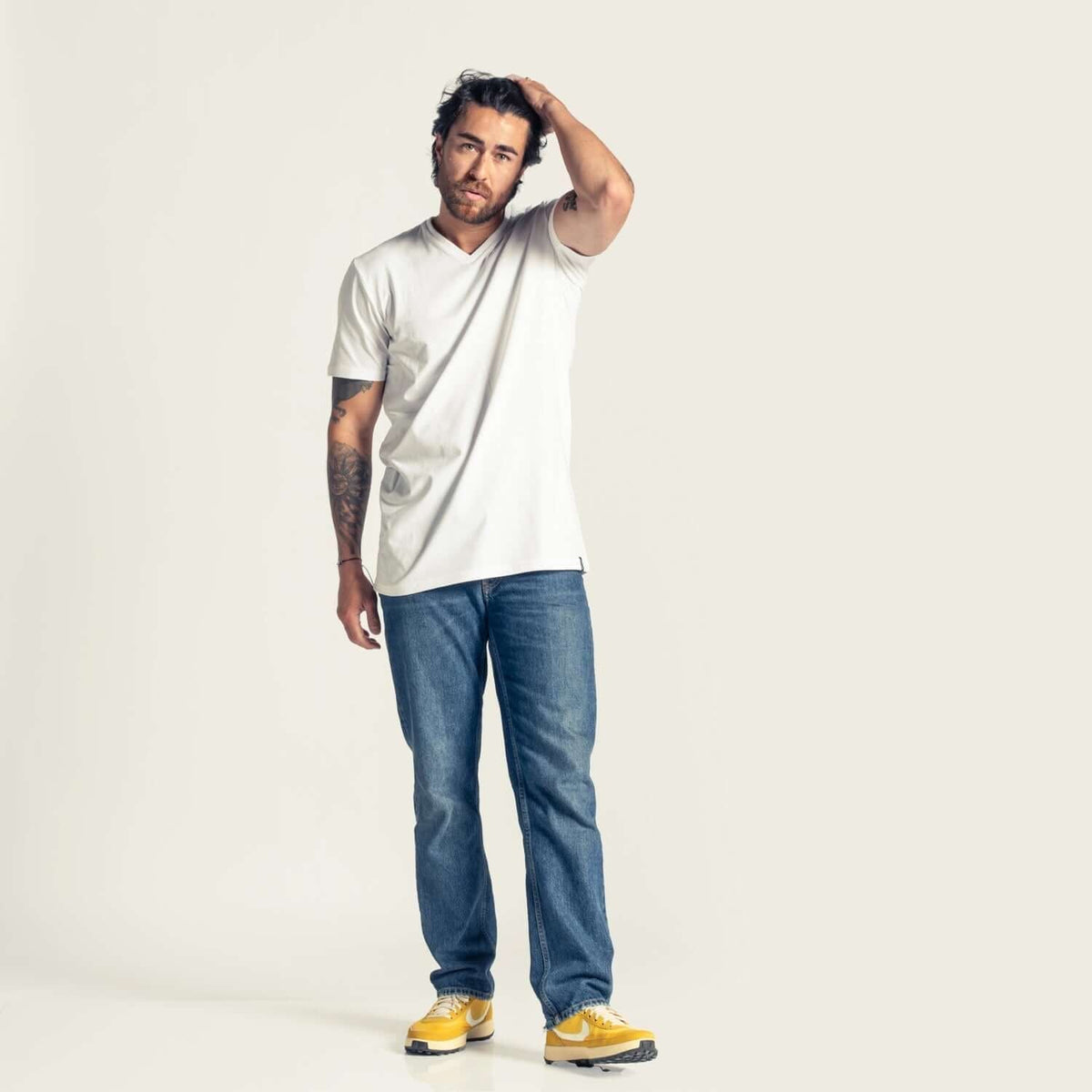
That's why fit options aren't a luxury. They're functional. Slim fit, Long Fit or a more classic cut solve different problems. A longer shirt that stays neatly in place avoids needless tugging at the hem. A fit that follows the body without pinching keeps its shape better and feels better throughout the day.
The best basic is often not the most eye-catching, but the one you don't have to think about. Put it on, it fits well, it stays good. That's a long-term gain.
Finishing is where quality shows
Look at the neckline. Look at the seams. Look at how a hem is finished. With essentials in particular, you quickly see here whether a garment was built for repeat wear or for a quick sale.
A limp collar gives away weakness. So do crooked seams. If the stitching already looks uneven when the item is new, it rarely gets better after washing. Good finishing doesn't have to be loud. In fact, it's usually quiet. Tight, consistent and functional.
With premium basics, quality often lies in that unobtrusive work. Not in big claims, but in a shirt that still hangs straight after plenty of wear, feels good and keeps its shape.
Cheap fashion is often more expensive than it looks
Fast fashion sells speed. New colour, new trend, new offer. That looks attractive, especially if you need something quickly. But for basics, that model rarely works in your favour.
A basic shouldn't have to survive a season. A basic should simply keep performing. If you keep having to buy white or black T-shirts again and again because they go baggy, fade or ride up, you end up paying for the same mistake on repeat.
That doesn't mean everything has to be expensive. It does mean you need to be more selective. Pay for better material, a well-considered fit and neat construction rather than for marketing or passing details. Especially for clothes you wear every week, that choice almost always pays off.
How to spot quality before you buy
Buying online calls for different signals than trying things on in a shop. Even so, you can read a lot from a distance, if the product information is honest and clear.
Pay attention to how specific a brand is about fabric, fit and use. Vague terms like premium or luxury say little without explanation. More relevant are concrete indications: which material is used, how the product fits, what the fit is intended for and whether an item was developed for everyday wear.
Good product photos help, but descriptions are at least as important. A brand that has confidence in its basics explains why a shirt lasts. Not with big talk, but with details about construction, wearing comfort and shape retention.
The range itself says something too. A brand that focuses on essentials and offers different fits within them usually understands better what everyday clothing needs to do than a seller chasing a new trend every week. You often feel that difference in focus in the product.
Buy less, choose better
A strong wardrobe rarely starts with more. Usually it starts with less noise. A few good T-shirts, a solid polo, a sweater that keeps its shape: that takes you further than ten mediocre alternatives.
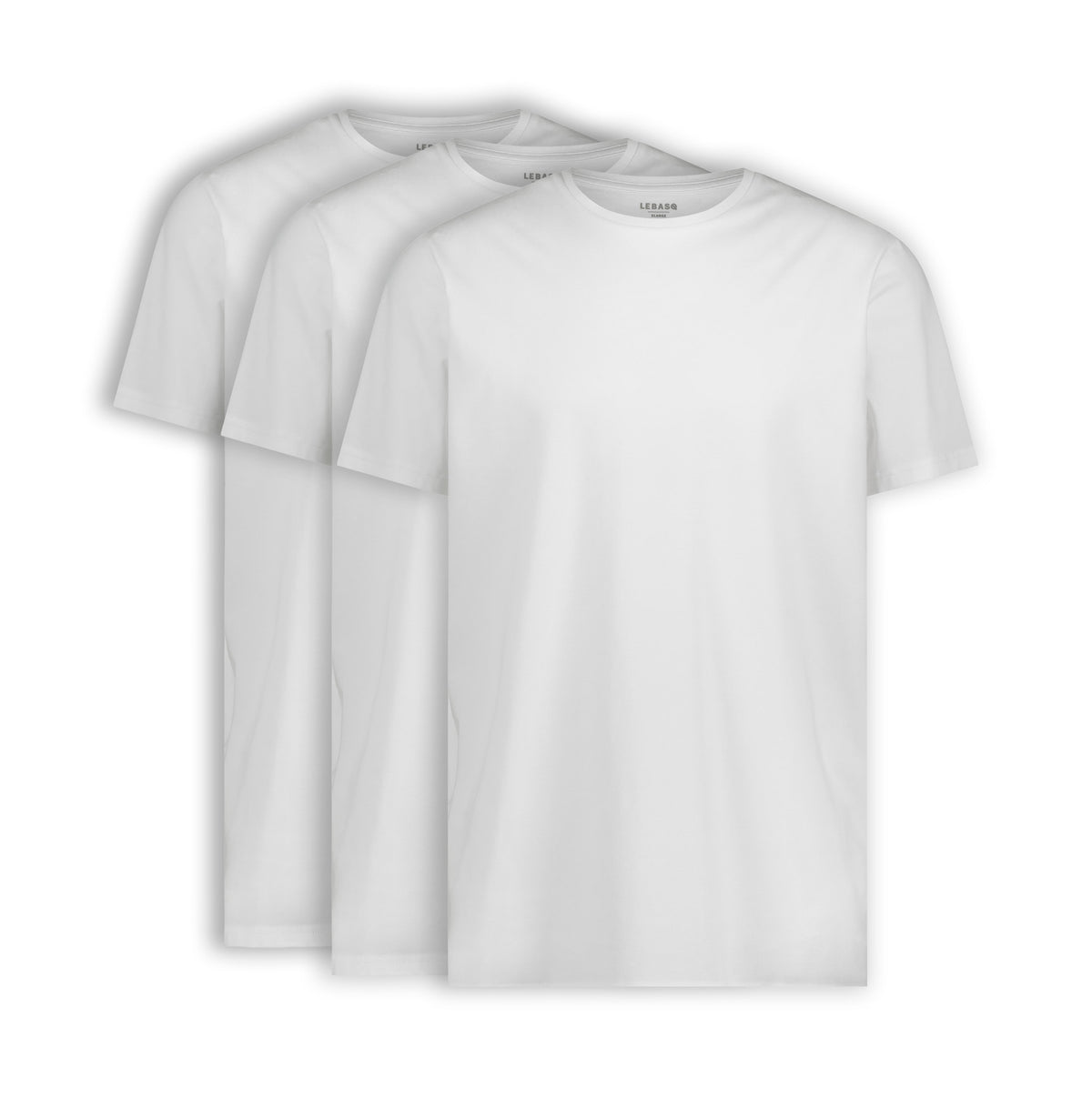
That's also why multipacks make sense for many men. Not because more is always better, but because with basics you often need several good versions. If the fit is right and the quality consistent, it's actually efficient to restock well in one go. Less searching, less variation in sizing, more calm in your wardrobe.
For everyday clothing, reliability counts heavily. You don't want to work out again every time which shirt fits well. You want a fixed foundation that works. That's where the real value is.
Care also determines how long clothes last
Even the best basic lasts less long if you treat it carelessly. So durability doesn't end at purchase. Washing, drying and storing make a noticeable difference.
Wash cooler than you think you need to. Excessively high temperatures and aggressive drying cycles are often the quickest route to shrinkage, fibre damage and loss of shape. A basic you wear normally doesn't need to be treated unnecessarily harshly.
Turn shirts inside out if you want to keep colour and surface looking good. Don't use more detergent than necessary. And don't overfill the drum. That sounds minor, but it's the repetition that makes the difference. Ten reasonable washes are often better than three harsh ones.
Air drying is usually kinder to fabric and fit than the tumble dryer. Of course, it depends on your routine and how much time you have. Sometimes convenience leads. But if you take lifespan seriously, a bit more care is usually worth the effort.
Buying for the long term isn't the same as buying perfectly
There's no garment that never wears. Even high-quality basics show signs of use. The question isn't whether something lasts forever, but whether it stays good for a reasonably long time under normal use.
There's nuance here too. Someone who wears their T-shirts heavily, washes them often and is on the move a lot has different demands from someone who mostly rotates. A white shirt needs different attention from a dark colour. A slim fit style can be ideal for one person and put extra strain on the fabric for another. So it depends on how you live and wear things.
Still, the core stays the same: buy with intention, pay attention to material and fit, and expect basics to do their job. No hassle. No empty promises.
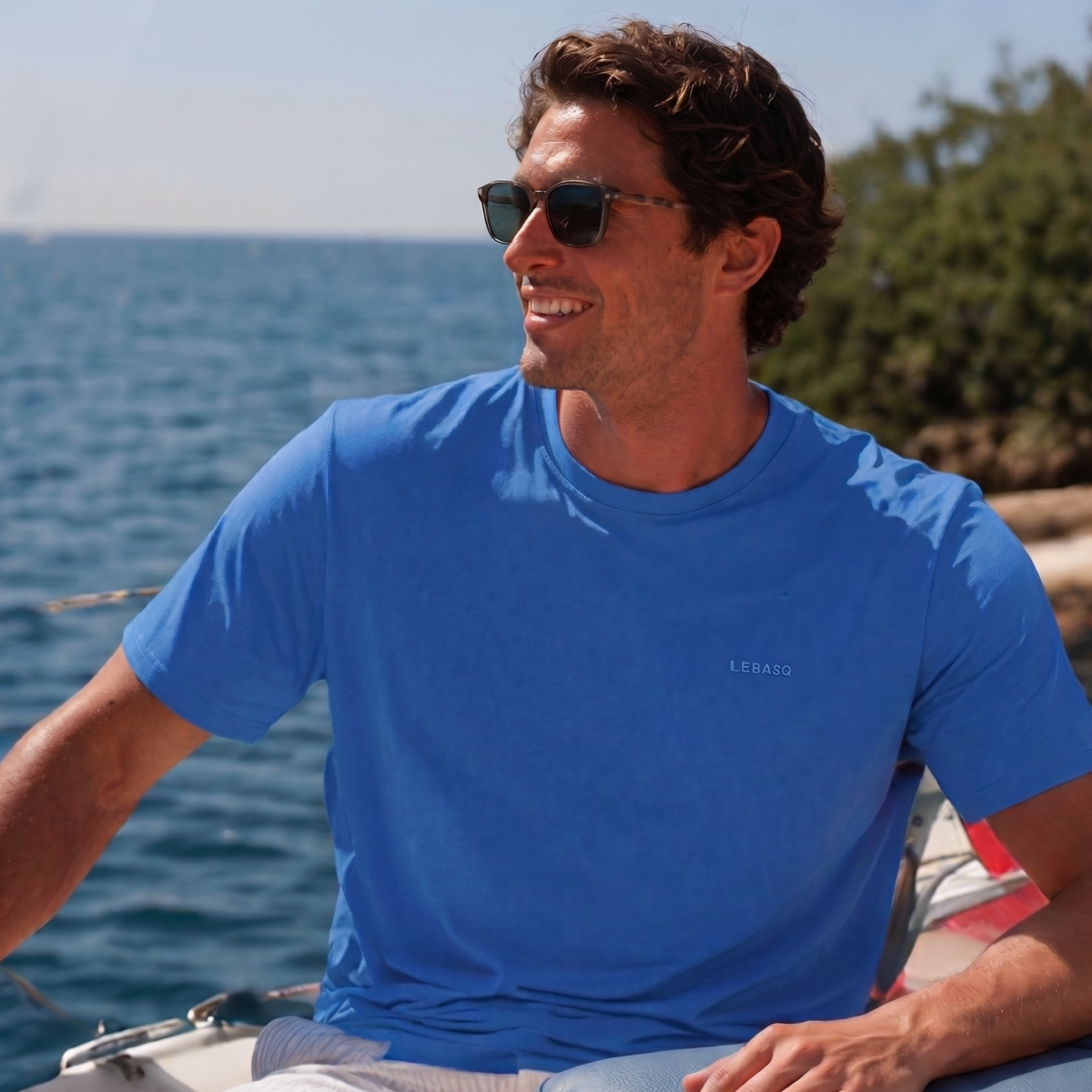
A brand like LEBASQ fits exactly that way of thinking. Not saying more than necessary, but simply making strong essentials that fit well, feel good to wear and are made to last.
Once you switch to a better foundation, what you notice most is what falls away: irritation, replacements, doubt. That may be the strongest argument for clothes that last. You think about them less, because they simply work.