

A T-shirt that twists after three washes, loses its shape at the collar, or becomes see-through was never a good deal. So, wat zijn long life producten? The term refers to products designed to perform well for a long time, through frequent use, care, and everyday wear. In clothing, that means more than a thick fabric or a high price tag. It means getting the material, construction, fit, and care right from the start.
Long life products are a practical alternative to disposable buying. They are made to stay useful, look good, and feel comfortable beyond the first few wears. That matters when you are building a wardrobe around pieces you actually reach for every week.
What Are Long Life Products?
Long life products are items built for an extended usable life. They are not defined by one feature. Their longevity comes from a combination of durable materials, thoughtful construction, timeless function, and the ability to be maintained or repaired where possible.
A long-lasting product is not indestructible. Every material wears over time, especially clothing that is washed, stretched, and worn against the skin. The difference is that a well-made product wears gradually and predictably instead of failing early. A quality tee may soften with use while keeping its shape. A cheap tee may pill, shrink unevenly, and lose its fit after a short run.
The idea is simple: buy fewer items that earn their place. That does not mean every purchase needs to last forever. Some products have a naturally short lifespan. But for everyday essentials, longevity should be the baseline, not a bonus.
What Makes Clothing a Long Life Product?
In apparel, durability begins with fabric. The fiber choice matters, but fabric quality is more nuanced than a label that simply says "100% cotton." Cotton can be soft but weak, heavy but poorly finished, or lightweight yet tightly knit and dependable. Fabric weight, yarn quality, knit structure, and finishing all affect how a garment performs after repeated washing.
Construction matters just as much. Look at the areas that take the most stress: the neckline, shoulder seams, sleeve hems, side seams, and bottom hem. A collar should recover after being pulled over your head. Seams should stay flat and secure. The shirt should not torque around the body after laundering. These details are not glamorous, but they decide whether a basic remains a basic you can rely on.
Fit is another part of longevity that is often overlooked. A shirt that is too short, too tight across the chest, or too loose through the body may be technically well made, but it will spend more time in the drawer than on you. The best product is the one that holds up and gets worn. That is why fit options such as classic, slim, and long fit are practical, not cosmetic. They help you choose a garment that works with your proportions from day one.
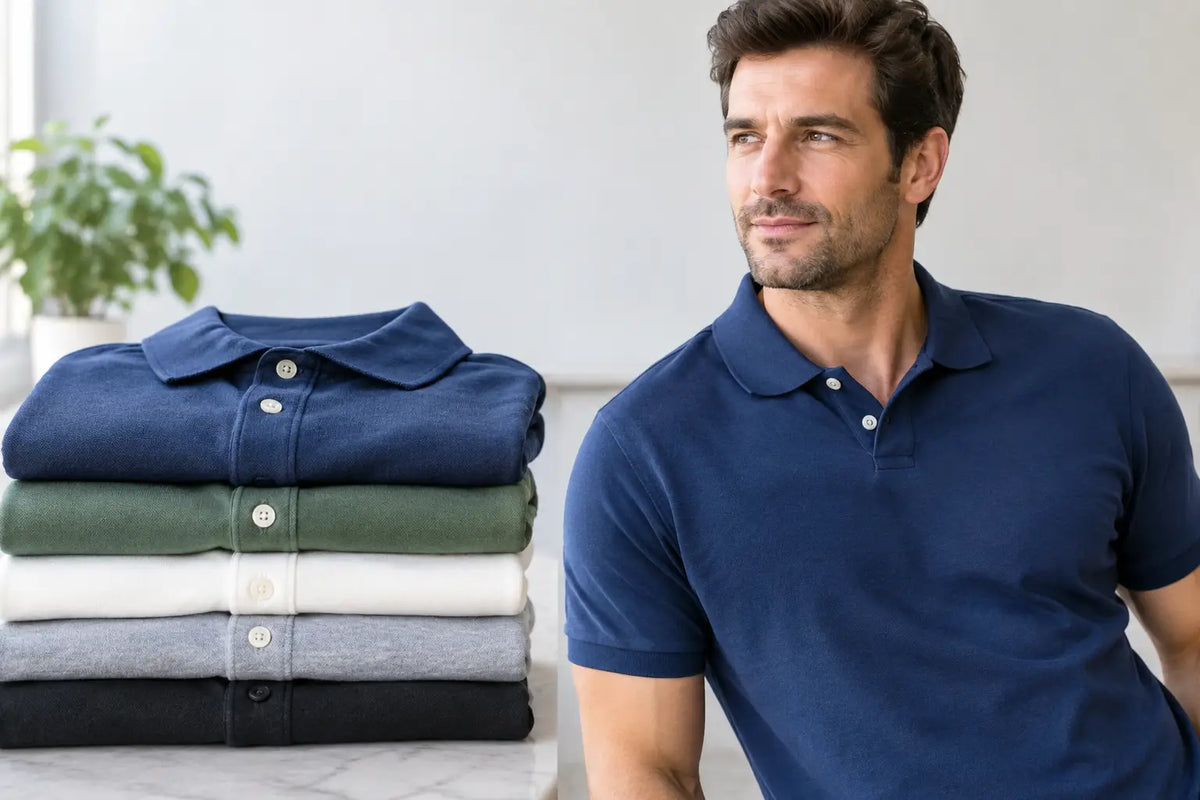
Finally, a long life product needs a design that outlasts a passing moment. A clean crew neck, a well-cut V-neck, a polo with a stable collar, or a solid sweater can work across seasons and occasions. Trend-led details can be fun, but they often shorten the period in which a garment feels relevant.
Long-Lasting Does Not Always Mean Heaviest
It is tempting to assume heavier fabric automatically means better quality. Sometimes it does. A substantial T-shirt can feel more structured, resist transparency, and stand up well to frequent wear. But weight alone is not proof of a long life product.
An overly heavy fabric may feel too warm, dry slowly, or lose its appeal in daily rotation. A lighter fabric can still perform exceptionally well when it is made with quality yarns and a stable knit. The right choice depends on how and where you wear it.
For everyday basics, balance is usually better than extremes. You want fabric with enough substance to hold its shape, enough softness to wear comfortably, and enough breathability to make it useful throughout the year.
The Real Cost Is Cost Per Wear
The purchase price tells only part of the story. A $15 shirt worn five times costs $3 per wear. A $45 shirt worn 60 times costs 75 cents per wear. The second shirt may cost more at checkout, but it delivers more value if it keeps its fit, comfort, and appearance.
Cost per wear is not an excuse to overpay for branding. It is a way to judge whether a product does its job. If an item is uncomfortable, hard to care for, or poorly fitted, it will not become a good investment simply because it was expensive.
The strongest long life products combine a fair price with repeat use. Multipacks can make particular sense for wardrobe staples. If you know a fit works for you, having several dependable versions reduces laundry pressure and prevents you from replacing worn-out basics with whatever is cheapest at the moment.
How to Spot Long Life Products Before You Buy
You cannot fully test durability from a product page, but you can make a more informed choice. Start with clear information. A brand should explain the fabric composition, fit, and care instructions without hiding behind vague claims about luxury or sustainability.
Product photos can also reveal useful details. Check whether the collar sits cleanly, whether seams look straight, and whether the fabric has enough density for the intended use. Reviews are most helpful when they mention wear over time, washing results, shrinkage, and fit consistency rather than just first impressions.
Ask practical questions before buying:
- Will this work with the clothes I already own?
- Does the fit solve a real issue, such as extra length or a cleaner shape through the body?
- Can I wash and dry it according to my normal routine?
- Is the fabric appropriate for how often I plan to wear it?
- Would I buy it again after wearing it for a month?
Care Is Part of Product Longevity
Even excellent clothing can wear out early with harsh care. Heat, friction, and overdrying are common reasons tees lose shape, colors fade, and fibers weaken. Washing only when needed, using a moderate cycle, and avoiding excessive heat can extend the life of your basics without turning laundry into a project.
Turn printed or darker garments inside out. Sort rough items such as jeans or garments with zippers away from softer tees when possible. Treat stains early instead of washing an item repeatedly. These are small habits, but they protect fabric and help clothes look sharper for longer.
Care instructions are not there to make ownership inconvenient. They tell you what a product needs to keep performing. Still, practical clothing should fit into a practical routine. If a basic requires complicated care to survive, it may not be the right everyday basic for you.
Long Life Products and Better Buying Habits
Choosing long life products is not about building a perfect minimalist wardrobe or refusing every trend. It is about being more deliberate with the items you use most. Start with the gaps that create repeat purchases: T-shirts that lose their necklines, polos that shrink too short, sweaters that pill quickly, or caps that lose their shape.
Replace those weak links with better versions. Build from the foundation outward. A small rotation of dependable essentials gives you more options than a crowded closet full of pieces you do not trust.
That is the thinking behind elevated basics at LEBASQ: straightforward clothing, precise fit options, and materials chosen for repeat wear. No fairy tales. Just clothing that needs to keep up.
A long life product earns its value slowly. Wear it often, care for it properly, and choose the next one with the same standard: it should make your everyday routine easier, not create another replacement problem.

Hinterlasse einen Kommentar
Diese Website ist durch hCaptcha geschützt und es gelten die allgemeinen Geschäftsbedingungen und Datenschutzbestimmungen von hCaptcha.