



Ein T-Shirt kann sich zehn Minuten lang in der Umkleide großartig anfühlen und nach drei Wäschen enttäuschen. Deshalb ist die Stoffwahl bei Basics wichtiger als bei einem auffälligen Teil, das du nur ab und zu trägst. Die Frage „Bio-Baumwolle oder Polyester für Basics“ wird oft gesucht, aber die hilfreiche Antwort lautet nicht einfach, dass der eine Stoff gut und der andere schlecht ist.
Für Alltags-Shirts, Polos, Pullover und Unterschichten hängt das richtige Material davon ab, wie du es trägst, wie du es wäschst und was du auf Dauer von ihm erwartest. Komfort zählt. Ebenso Formstabilität, Atmungsaktivität, Trockenzeit und wie oft du zu dem Teil greifst.
Bio-Baumwolle oder Polyester für Basics: Fang beim Einsatzzweck an
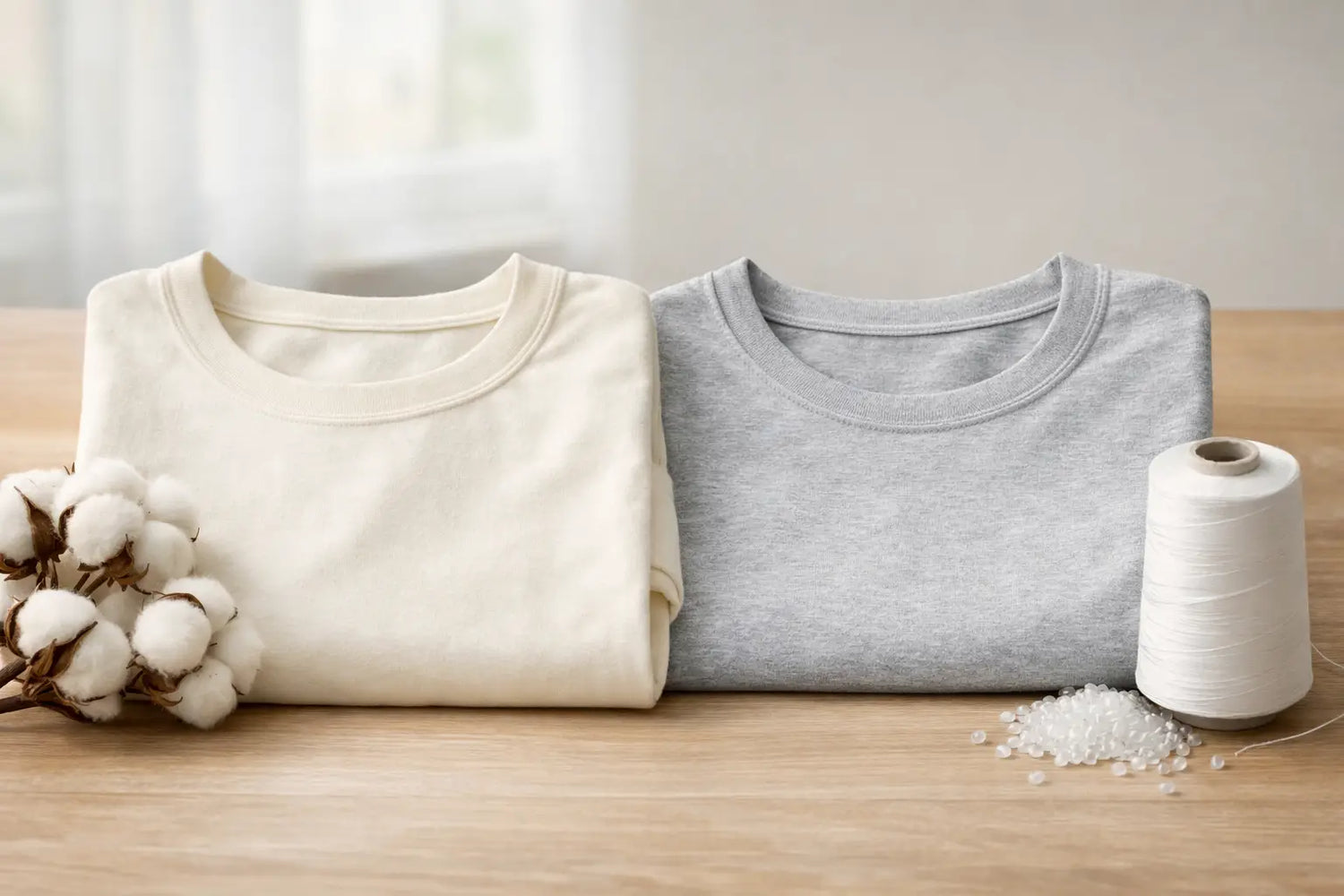
Baumwolle und Polyester lösen unterschiedliche Probleme. Bio-Baumwolle ist meist die natürlichere Wahl für ein klassisches Alltags-T-Shirt: weich auf der Haut, atmungsaktiv und von morgens bis abends angenehm zu tragen. Polyester ist auf Leistung ausgelegt. Es ist leicht, trocknet schnell, hält seine Form gut und hält häufigem Gebrauch stand.
Keines der beiden Materialien macht automatisch das bessere Basic. Ein schweres Baumwoll-T-Shirt kann länger halten als ein dünnes Polyestershirt. Eine gut gemachte Polyestermischung kann ihre Passform länger halten als ein Baumwoll-T-Shirt minderer Qualität. Das Stoffetikett erzählt nur einen Teil der Geschichte. Garnqualität, Stoffgewicht, Nähte, Passform und Verarbeitung entscheiden, ob ein Basic einen festen Platz in deiner Rotation verdient.
Die praktischste Frage ist einfach: Wo trägst du es am häufigsten? Lautet die Antwort Arbeit, Wochenende, Reisen und entspannte Alltagskleidung, ist Baumwolle oft sinnvoll. Schwitzt du stark, trainierst regelmäßig, fährst mit dem Rad zur Arbeit oder brauchst ein Shirt, das über Nacht trocknet, hat Polyester einen klaren Vorteil.
Warum sich Bio-Baumwolle anders anfühlt
Bio-Baumwolle wird nach Standards angebaut, die den Einsatz synthetischer Pestizide und Kunstdünger einschränken. Das kann ein wichtiger Punkt sein, wenn du Anbaumethoden mit geringerer Belastung unterstützen willst. Trotzdem ist „bio“ keine pauschale Garantie, dass jeder Produktionsschritt einen geringen ökologischen Fußabdruck hat. Färben, Ausrüstung, Transport, Verpackung und Bedingungen in der Fabrik zählen ebenfalls.
Aus Sicht des Trägers ist Komfort die größte Stärke von Baumwolle. Die Fasern nehmen Feuchtigkeit auf und lassen Luft durch den Stoff zirkulieren. Ein gutes Baumwoll-T-Shirt fühlt sich vom ersten Tragen an vertraut an, ohne den glatten oder technischen Griff mancher Synthetikstoffe.
Das heißt nicht, dass Baumwolle pflegeleicht ist. Baumwolle hält Feuchtigkeit länger als Polyester, sie kann sich nach einem harten Training also klamm anfühlen. Sie kann außerdem einlaufen, wenn sie heiß gewaschen oder stark getrocknet wird. Bei körpernahen Shirts, Long-Fit-Modellen und Polos, bei denen Proportionen wichtig sind, gehört die richtige Pflege dazu, damit die Passform stimmt.
Wähle Bio-Baumwolle, wenn Komfort im Vordergrund steht
Bio-Baumwolle ist eine starke Wahl, wenn du ein atmungsaktives, hautfreundliches Basic mit natürlichem Gefühl willst. Sie passt zu Alltags-T-Shirts, lässigen Langarmshirts und Pullovern, die nah am Körper getragen werden. Sie ist auch eine vernünftige Option, wenn du Kleidung bevorzugst, die sich nicht zu technisch anfühlt.
Schau aber über das Wort „bio“ hinaus. Ein dichterer Strick fühlt sich meist fester an und wird weniger schnell durchsichtig. Ein sauberes Halsbündchen, verstärkte Schulternähte und ein einheitlicher Schnitt tun mehr für die Lebensdauer als ein Nachhaltigkeitsversprechen auf dem Anhänger.
Wann Basics aus Polyester sinnvoll sind
Polyester ist eine synthetische Faser, meist aus erdölbasierten Rohstoffen hergestellt. Es gilt als weniger atmungsaktiv als Baumwolle, und dieser Ruf ist in manchen Fällen berechtigt. Ein billiges, dicht gewebtes Polyestershirt kann Wärme und Geruch halten. Aber nicht alle Polyesterstoffe verhalten sich gleich.
Modernes Polyester kann so entwickelt werden, dass es Feuchtigkeit ableitet, Luft durchlässt und auch bei intensiver Nutzung leicht bleibt. Es knittert wenig, trocknet schnell und behält seine Form. Diese Eigenschaften sind praktisch für Sportkleidung, Reiseshirts, Unterschichten in kälteren Monaten und Kleidung, die häufiges Waschen ohne Strukturverlust aushalten muss.
Der größte Nachteil von Polyester ist, dass es Gerüche hält. Hautfette und Bakterien haften leichter an Synthetikfasern als an Baumwolle, vor allem wenn Kleidung bei niedriger Temperatur gewaschen oder feucht in der Sporttasche liegen gelassen wird. Schnelles Waschen und nicht zu viel Waschmittel helfen. Ebenso, dem Teil in der Maschine genug Platz zu geben, damit es richtig gespült wird.
Es gibt auch einen ökologischen Kompromiss. Polyester ist nicht biologisch abbaubar, und Synthetikkleidung kann beim Waschen Mikrofasern abgeben. Recyceltes Polyester verringert die Abhängigkeit von neuem fossilem Material, bleibt aber eine Synthetikfaser und löst das Mikrofaserproblem nicht.
Wähle Polyester, wenn Leistung im Vordergrund steht
Polyester ist sinnvoll, wenn schnelles Trocknen, einfache Pflege und Formstabilität am wichtigsten sind. Ein Funktionsshirt fürs Training ist ein offensichtliches Beispiel. Es kann auch gut in einer Reisegarderobe funktionieren, in der ein Shirt manchmal im Hotelwaschbecken gewaschen und am nächsten Tag wieder getragen werden muss.
Für ein klassisches, gepflegtes Basic kann reines Polyester für manche zu technisch wirken. Hier kann eine Mischung nützlich sein. Baumwolle sorgt für Weichheit und Atmungsaktivität, während Polyester Haltbarkeit hinzufügt und dem Kleidungsstück hilft, seine Form zu halten. Das Ergebnis hängt vom Verhältnis und der Konstruktion ab, nicht nur davon, dass beide Fasern enthalten sind.
Die bessere Wahl ist oft eine Mischung
Baumwoll-Polyester-Mischungen sind nicht ohne Grund verbreitet. Sie können Einlaufen verringern, die Haltbarkeit verbessern und einem Shirt helfen, sich nach dem Waschen zu erholen, während ein Teil des natürlichen Baumwollkomforts erhalten bleibt. Ein kleiner Anteil Elasthan kann einem Slim-Fit-T-Shirt außerdem helfen, seine Form zu halten, vor allem an Brust und Ärmeln.
Mischungen haben auch Kompromisse. Sie sind schwerer zu recyceln als Kleidung aus einer einzigen Faser, und ein hoher Polyesteranteil kann sich weiterhin auf Atmungsaktivität und Geruch auswirken. Aber für ein Basic, das du oft trägst, kann eine gut gemachte Mischung die ausgewogenste Option sein. Es geht weniger um das perfekte Material als darum, ein Teil zu wählen, das zuverlässig tut, wofür es gedacht ist.
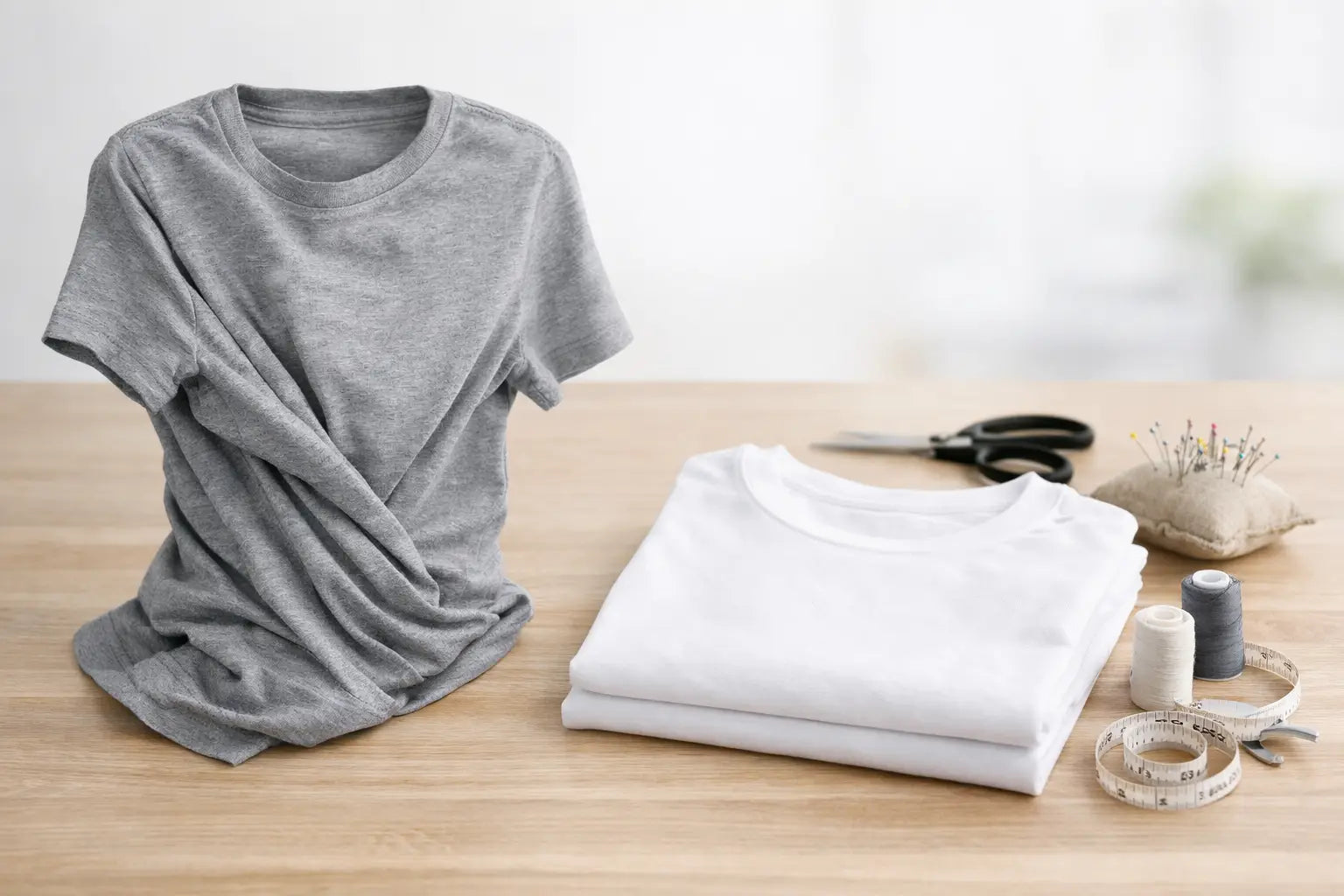
Ein körpernahes T-Shirt, das sich nach dem Waschen verdreht, ist kein gutes Basic, selbst wenn es aus Bio-Baumwolle ist. Ein Shirt, das formstabil bleibt, sich aber den ganzen Tag klamm anfühlt, ist auch kein gutes Basic. Das Ziel ist häufiges Tragen ohne Aufwand.
So beurteilst du Qualität vor dem Kauf
Wenn du Basics aus Bio-Baumwolle oder Polyester vergleichst, fang bei den Details an, die du wirklich nutzen kannst. Prüfe die Stoffzusammensetzung und überlege, ob sie zu deiner Routine passt. Schau dir dann Gewicht, Passformbeschreibung und Verarbeitung an. Das Stoffgewicht allein sagt nicht alles, kann aber zeigen, ob sich ein T-Shirt eher leicht und luftig oder fest und strukturiert anfühlen wird.
Achte auf den Ausschnitt. Ein zu dünner oder schlecht verarbeiteter Kragen leiert oft früh aus. Schau dir die Lage der Nähte auf Produktfotos an und suche eine Schulterlinie, die zu deinem Körperbau passt. Bist du groß, kann ein Long Fit das ständige Ziehen verhindern, das Säume ruiniert und Proportionen verdirbt. Magst du eine körpernahe Silhouette, wähle einen Slim Fit mit genug Rückstellkraft, um dich bequem zu bewegen.
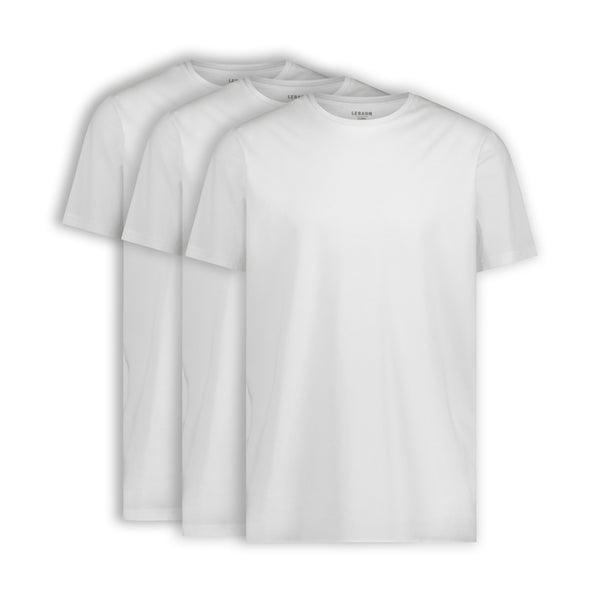
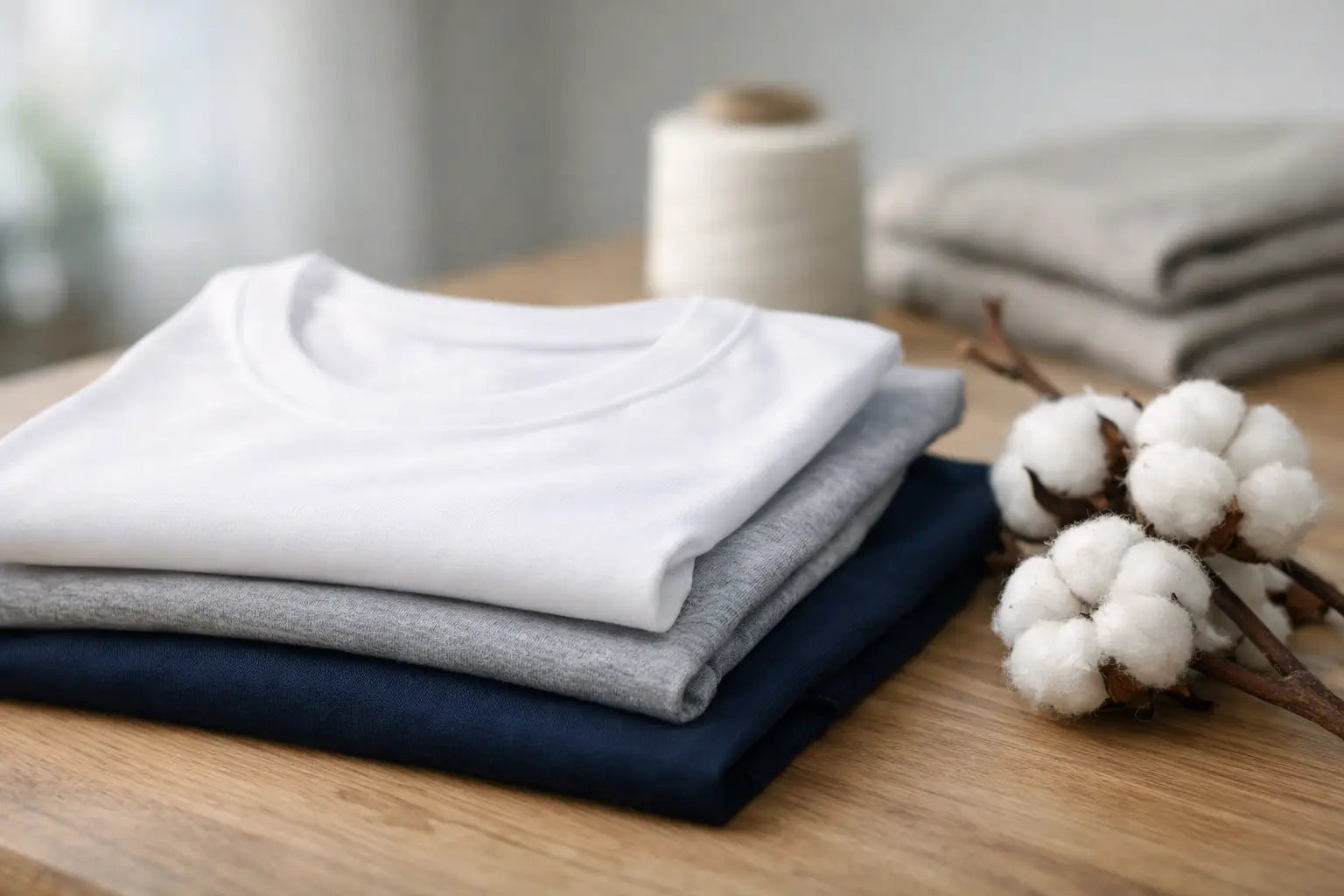
Multipacks sind hier praktisch. Wenn du einmal eine Passform und einen Stoff gefunden hast, die funktionieren, nehmen dir mehrere gleiche, zuverlässige Basics unnötige Entscheidungen in der Woche ab. Außerdem bekommt so jedes Shirt eine Pause zwischen den Tragetagen, was die Lebensdauer verlängern kann.
Pflege hat mehr Einfluss, als die meisten denken
Das Basic, das am längsten hält, ist meist das, das mit etwas Zurückhaltung gewaschen wird. Dreh Shirts auf links, wasche möglichst kühl und trenne schwere Teile wie Jeans und Handtücher von leichteren T-Shirts. Hohe Hitze ist besonders hart für Baumwollfasern, elastische Bestandteile, Prints und Kragen.
Lufttrocknen ist die sicherste Option für den Formerhalt. Wenn du einen Trockner nutzt, wähle eine niedrige Temperatur und nimm die Kleidung heraus, bevor sie komplett durchgetrocknet ist. Verzichte bei Polyester möglichst auf Weichspüler. Er kann einen Film hinterlassen, der die Feuchtigkeitsableitung verringert und mit der Zeit Gerüche festhält.
Kauf für den Gebrauch, den du wirklich hast, nicht für das Versprechen, das am besten klingt. Wähle Bio-Baumwolle, wenn du natürlichen Komfort und ein unkompliziertes Alltagsgefühl willst. Wähle Polyester, wenn Schnelligkeit, Schweißmanagement und pflegeleichte Leistung Priorität haben. Wähle eine gute Mischung, wenn deine Basics beides können müssen. Das richtige Shirt ist das, das auch nächsten Monat noch gut sitzt, sich gut anfühlt und wieder getragen wird.

Hinterlasse einen Kommentar
Diese Website ist durch hCaptcha geschützt und es gelten die allgemeinen Geschäftsbedingungen und Datenschutzbestimmungen von hCaptcha.